Professional Website Design in Hampshire, Surrey & Berkshire
Clients We Serve in Hampshire & the South of England
Your website is often the first thing a potential customer judges you on. If it loads slowly, looks outdated, or doesn’t appear in Google for your services, you’re handing enquiries directly to competitors.
SO Web Designs builds professional, conversion-focused WordPress websites for businesses across Hampshire, Surrey, and Berkshire. Based in Aldershot and trading since 2009, we specialise in custom WordPress design, WooCommerce e-commerce development, and full website redesigns, with no templates, no hidden costs, and no outsourcing.
Every website we build is tailored to your brand, your customers, and your goals. Whether you’re launching from scratch, refreshing an outdated site, or moving your products online, we deliver a website that looks sharp, performs on every device, and gives Google every reason to rank it above your competitors.
Ready to Transform Your Online Presence?
Request a free, no-obligation quote today. We’ll give you honest advice, a clear price, and a realistic timeline, no sales pressure, no jargon.
Our Website Design Services
Everything Your Business Needs, Built Under One Roof
Every website we build starts with your business, your audience, your brand, and your goals. There’s no off-the-shelf approach here.
Custom WordPress Website Design
We build bespoke WordPress websites from scratch, designed to reflect your brand and engineered to convert visitors into enquiries. Every build is mobile-first, fast-loading, and SEO-ready from day one. No themes, no page-builder shortcuts, just clean, professional WordPress development that performs long after launch.
Ready to sell online? We build WooCommerce stores that make purchasing effortless for your customers. From secure payment integration and mobile-optimised product pages to SEO-friendly category structures and a streamlined checkout, we build stores designed to generate revenue, not just traffic.
If your current website is letting your business down, we can fix that. We transform slow, outdated, and poorly-converting websites into modern, mobile-friendly WordPress sites, improving design, page speed, SEO performance, and enquiry rates in the process. We preserve your existing domain authority and URL structure wherever possible.
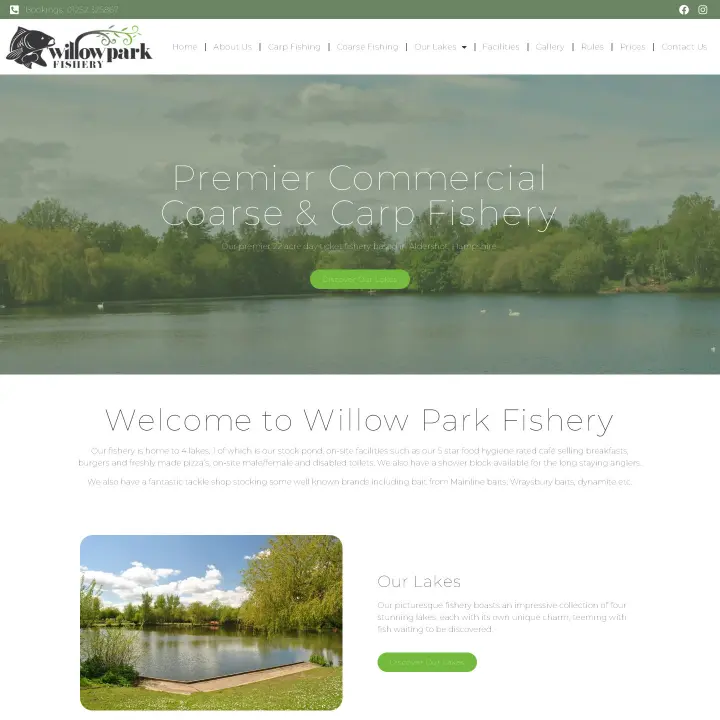
We build specialist WordPress websites for fisheries and fishing venues across the South East, complete with day ticket booking, lake maps, species guides, gallery sections, and simple content management for busy site owners. We've built websites for several fisheries across Hampshire and Surrey.
For service-based businesses, we integrate seamless online booking directly into your WordPress website, so customers can book appointments, classes, or sessions 24/7 without needing to call. Compatible with a wide range of scheduling platforms and payment processors.
Launching your website is the start, not the end. Our WordPress management packages cover plugin and core updates, security monitoring, daily backups, performance checks, and priority support, keeping your site secure, current, and performing exactly as it should.
Why We Build Every Website on WordPress
The World's Most Trusted CMS, Handled by Specialists
WordPress powers over 43% of all websites globally. It’s flexible and scalable, and it gives you genuine control over your own content without needing a developer every time you want to make a change. Built properly by experienced specialists, it’s also one of the fastest and most SEO-friendly platforms available.
At SO Web Designs, WordPress isn’t just a tool we use; it’s the platform we’ve spent over 15 years mastering, maintaining, and optimising for clients across Hampshire, Surrey, and Berkshire.
Every WordPress website we build includes:
- Bespoke design built around your brand, not an off-the-shelf theme or pre-built template
- Mobile-first, fully responsive layout tested across all major screen sizes and browsers
- Built-in SEO foundations, clean code structure, fast load times, schema markup, and optimised page architecture
- Easy content management, update pages, publish blog posts, and manage content yourself without technical knowledge
- Plugin integration for bookings, e-commerce, analytics, CRM, and email marketing
- Scalable architecture built to grow with your business
Who We Design Websites For
From Sole Traders to Established SMEs Across Hampshire, Surrey & Berkshire
We work with a wide range of businesses across the South East, from independent tradespeople to regional companies with multiple locations and complex requirements.
Our clients include:
- Small and Medium-Sized Businesses (SMEs) looking to grow their online presence and generate more enquiries or sales through a professional, high-performing website.
- Sole Traders and Freelancers who need a credible online presence without the price tag of a large London agency.
- Start-Ups building their digital presence from scratch and needing a solid, scalable foundation that grows with them.
- Established Businesses whose current website no longer reflects the quality of their work, or that have fallen behind competitors in Google's search results.
- Trades and Service Businesses - builders, electricians, plumbers, landscapers, and other local trades who need websites that rank in Google's local results and turn visitors into phone calls.
- Retailers and E-Commerce Businesses ready to sell products online through a properly built, SEO-optimised WooCommerce store.
We work with clients across Aldershot, Farnborough, Fleet, Farnham, Camberley, Guildford, Basingstoke, Woking, Wokingham, and Bracknell.
Is Your Website Losing You Business?
The Warning Signs It's Time for a Professional Website Redesign
An outdated website doesn’t just look bad; it actively costs you money. Slow load times push visitors away before your page has even finished loading. A poor mobile experience drives off more than half your potential customers before they’ve read a word. Weak Google rankings mean your competitors are getting the calls you should be receiving.
If any of these sound familiar, it’s time to act:
- Your website looks noticeably older than your competitors'
- It loads slowly or displays poorly on mobile and tablet
- You're not appearing in Google for your key services or local area
- Visitors land on your site but don't call, enquire, or buy
- You can't update the content yourself without help
- You're reluctant to share the link on business cards or social media
Our website redesign service takes your existing business, brand, services, and customers and builds a modern, fast, SEO-optimised WordPress website around them.
We preserve what’s working (including your existing SEO authority and domain history) and fix everything that isn’t.

Transform Your Online Presence Today
Why Businesses Across Hampshire Choose SO Web Designs
Local Expertise. Transparent Pricing. Long-Term Partnership.
There’s no shortage of web design agencies. Here’s why businesses across Hampshire, Surrey, and Berkshire consistently choose us, and stay with us.
- WordPress Specialists Since 2009 - Over 15 years of building and optimising WordPress websites means fewer surprises, better project management, and websites that genuinely perform after launch, not just on delivery day.
- Bespoke, Not Off-the-Shelf - We don't use templates or pre-built themes. Every website is designed and built specifically for your brand and business goals. The result is a website that stands out from competitors — and a platform built to grow.
- Local Knowledge, Personal Service - We're based in Aldershot and work with businesses across Hampshire, Surrey, and Berkshire. We're available for face-to-face meetings, we respond quickly, and you'll deal with the same people throughout your project, not a different account manager every time you call.
- SEO Foundations Built In From Day One - Every website we deliver has solid SEO foundations built into its structure, code, and content architecture. You won't need to bolt on optimisation afterwards, it's part of how we build every site.
- Transparent Pricing, No Hidden Costs - You'll receive a clear, itemised quote before any work begins. No surprises, no scope creep, no vague "from £X" pricing. Visit our pricing page for full details.
- Ongoing Support After Launch - We're not a build-and-disappear agency. We offer monthly management packages, SEO retainers, and ad-hoc support, so your website keeps improving long after it goes live.
Website Design for Every Industry
Sector Experience That Shapes Every Decision
Every industry has different website requirements, different customer expectations, and different conversion goals. We bring genuine sector knowledge to every project, so your website is built for how your customers actually behave, not just how websites are supposed to look.
- Trades and Construction - Lead-generating WordPress sites for builders, electricians, roofers, landscapers, and plumbers. Built for local search visibility in Hampshire and Surrey, and optimised for mobile enquiries.
- Health and Beauty - Professional websites for salons, barbershops, clinics, therapists, and beauty businesses, typically with integrated online booking systems and strong visual design.
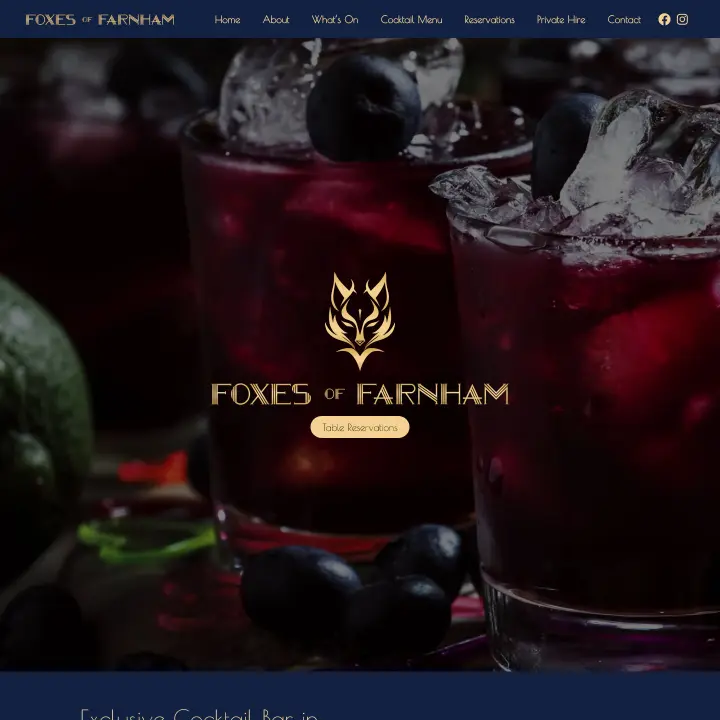
- Hospitality - Engaging, image-led websites for restaurants, cafés, pubs, and bars, with menus, booking integrations, and event listings that keep customers coming back.
- Professional Services - Clean, trust-building WordPress sites for solicitors, accountants, financial advisers, and consultancies across the South East.
- Retail and E-Commerce - WooCommerce stores for product-based businesses selling online, with SEO-optimised product and category pages built for Google Shopping and organic search.
- Fisheries and Outdoor Leisure - Specialist WordPress websites for fishing venues, holiday parks, and outdoor activity businesses, a sector we know well.
- Technology and Startups - Scalable WordPress builds for tech companies, SaaS businesses, and startups needing a strong digital presence, fast.
- Non-Profits and Community Organisations - Affordable, effective websites for charities, community groups, and events organisations across Hampshire and Surrey.
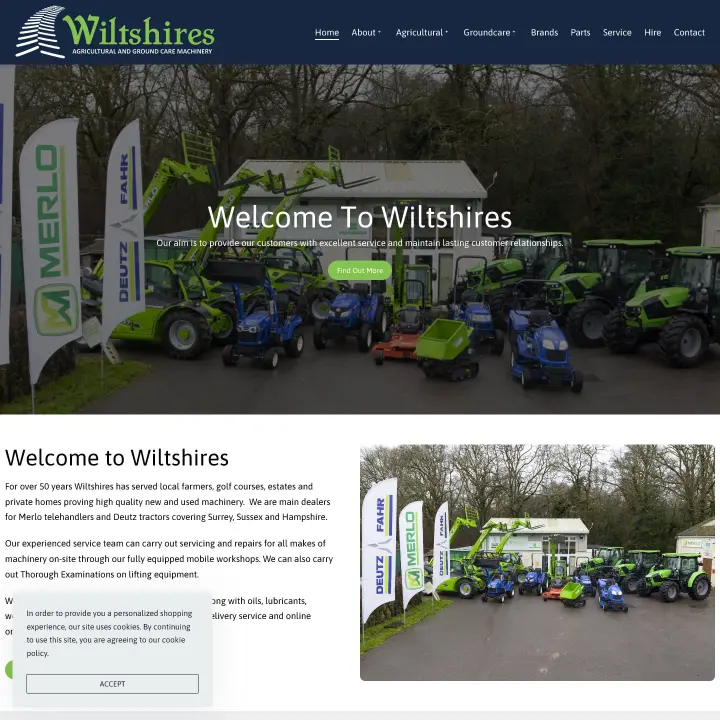
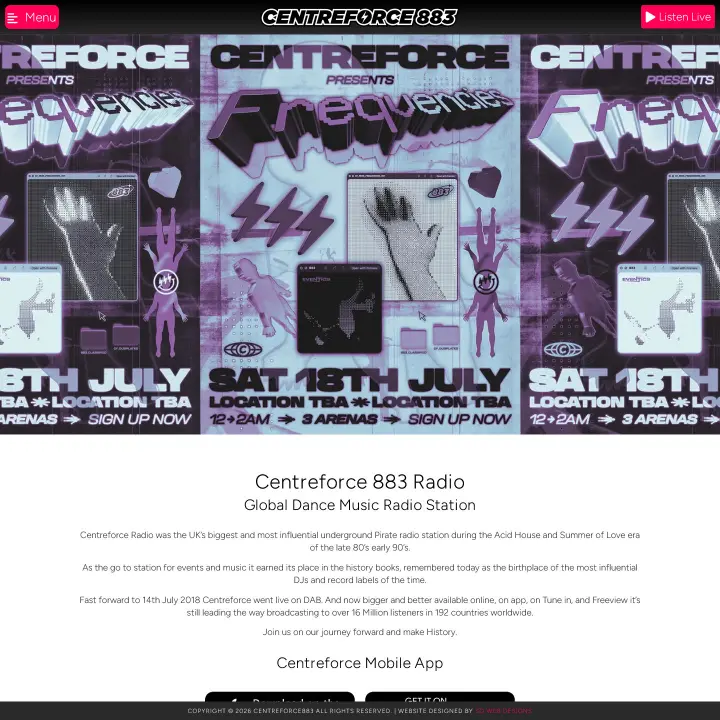
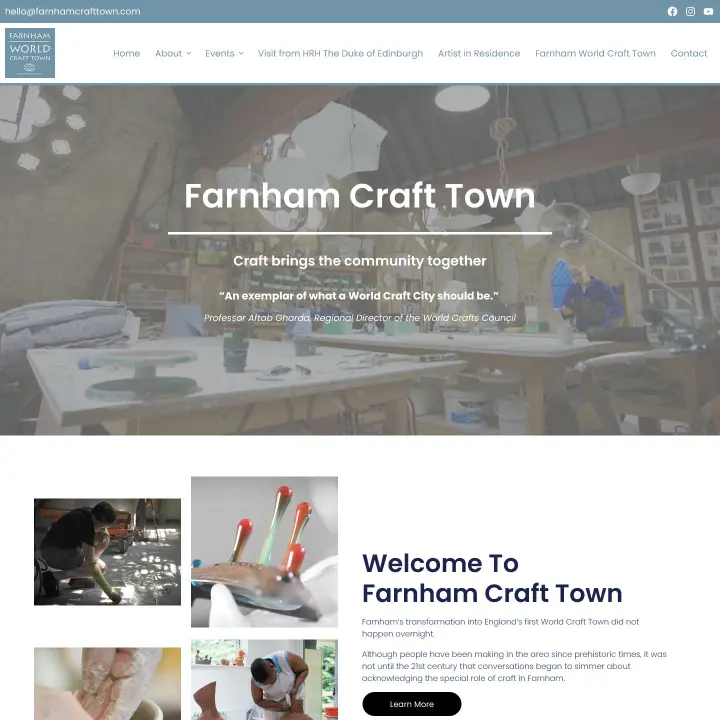
See some of our work
Recent Website Design Projects
Ready for a Website That Actually Works for Your Business?
Whether you need a brand-new WordPress website built from scratch, a complete redesign of your existing site, or a WooCommerce store ready to start taking orders, we’re ready to help.
Get in touch for a free, no-obligation quote and consultation. We aim to respond within 4 business hours, and we’ll give you honest, practical advice with no sales pressure and no commitment required.
Latest News From The Blog
Stay in the loop with SO Web Designs’ newest updates, trends, and expert insights!
Explore our latest web design tips, project highlights, and practical advice.
Web Design Across Surrey, Hampshire & Berkshire
Based in Aldershot, SO Web Designs delivers professional web design to businesses across Surrey, Hampshire, and Berkshire. Whether you’re a startup or an established local business, we work with clients across the region, with no travel costs and a hands-on approach throughout.
Surrey: We work with businesses across the county, from web design in Woking and Guildford to Camberley, Farnham, and Frimley. Our Surrey web design clients range from independent retailers to professional services firms.
Hampshire: Our home county. We design websites for businesses in Aldershot, Farnborough, and Fleet, as well as businesses across the wider Hampshire area.
Berkshire: We cover Bracknell, Wokingham, and the wider Berkshire area, building WordPress websites that compete with agencies in Reading and beyond.
Not sure if we cover your area? Get in touch; we work with clients across the South East.