Frequently Asked Questions
How to create a website design portfolio from scratch?
Creating a website design portfolio from scratch involves curating a selection of your best work, showcasing your design skills, creativity, and problem-solving abilities. This can help demonstrate your expertise to potential clients.
What design elements should be included in a portfolio website?
A portfolio website for a web design business should include a clean, modern design with a visually appealing layout, high-quality images showcasing previous work, clear navigation, and a contact form to encourage inquiries from potential clients.
How to create a portfolio for web design services?
Creating a portfolio for web design services involves showcasing your best work, highlighting your design process, and demonstrating your expertise. This can include featuring completed projects, design mockups, and client testimonials to showcase your capabilities and attract potential clients.
What type of websites should be showcased in a portfolio?
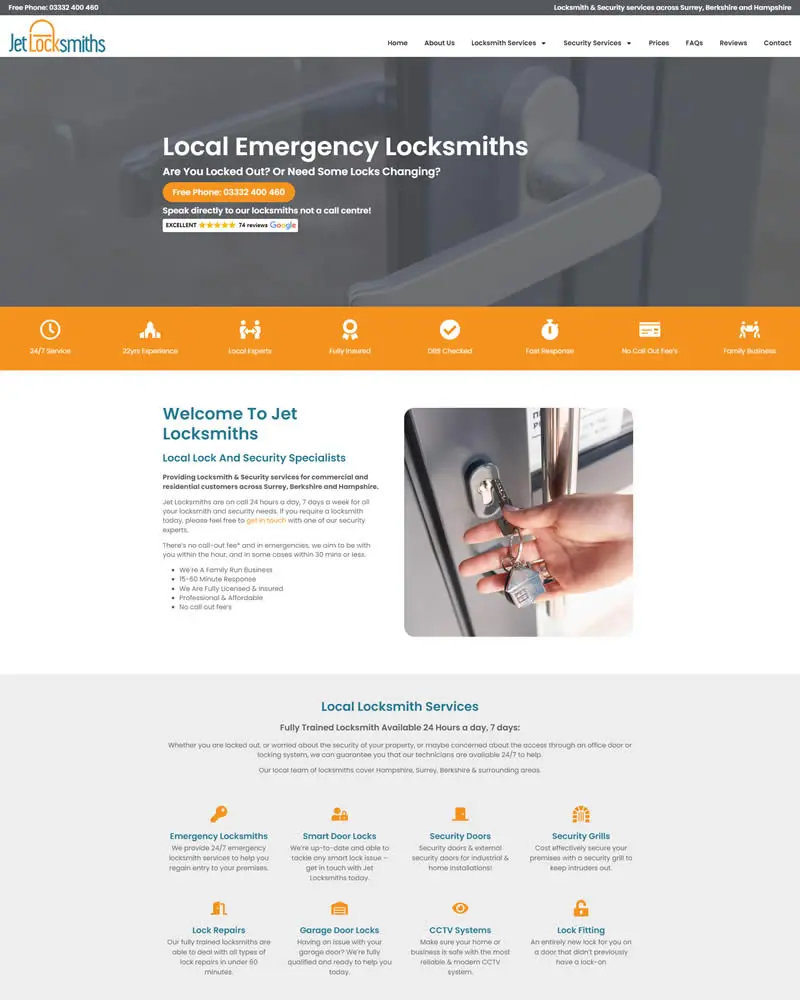
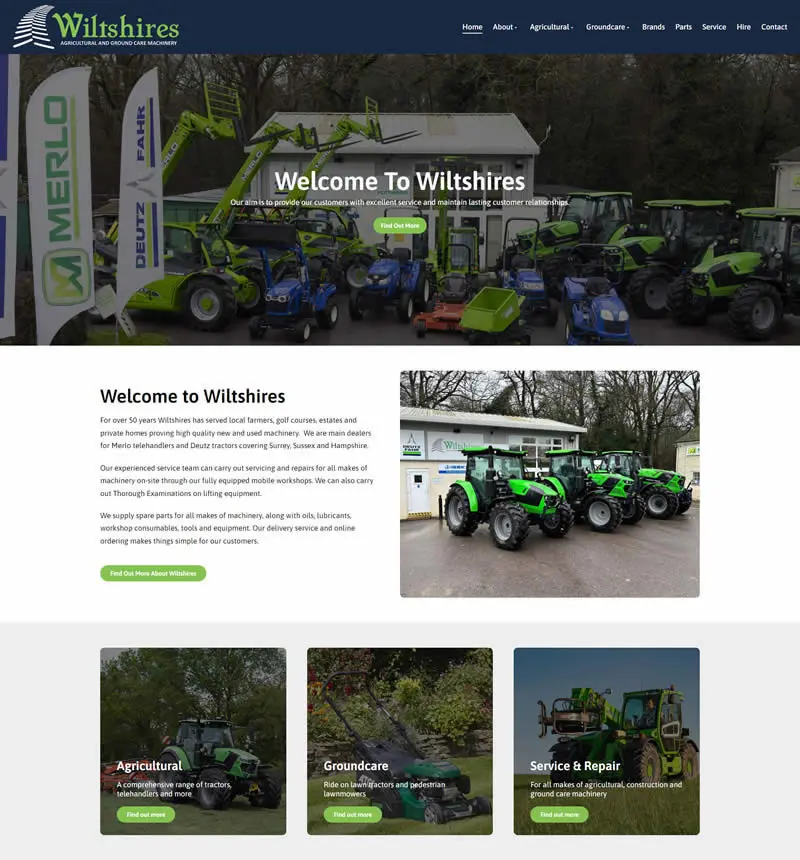
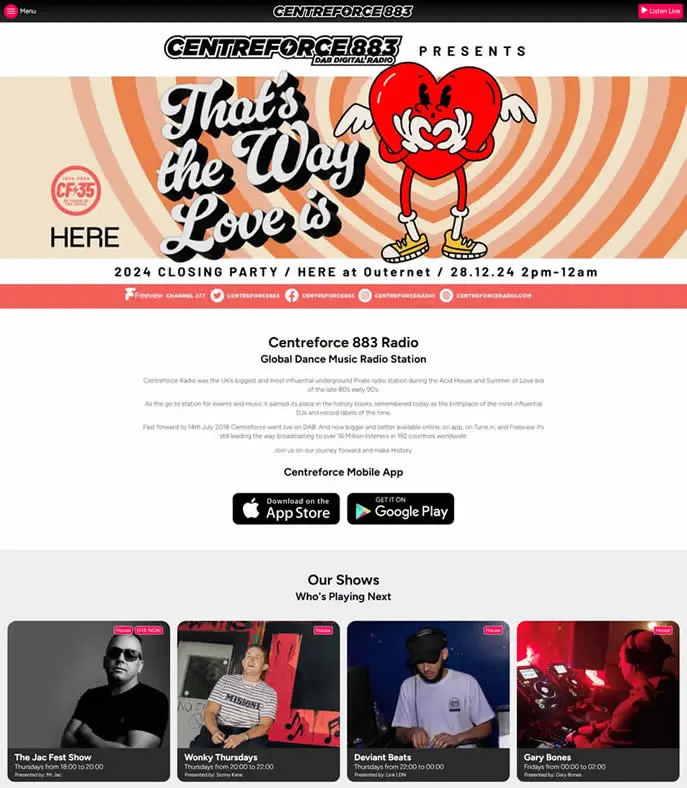
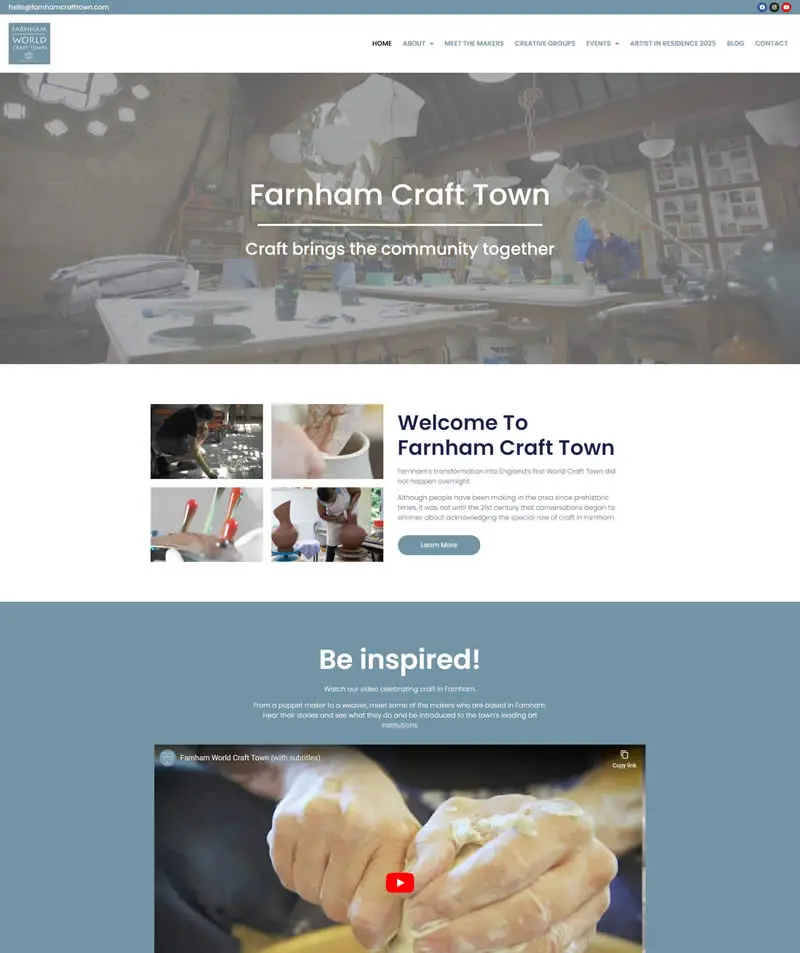
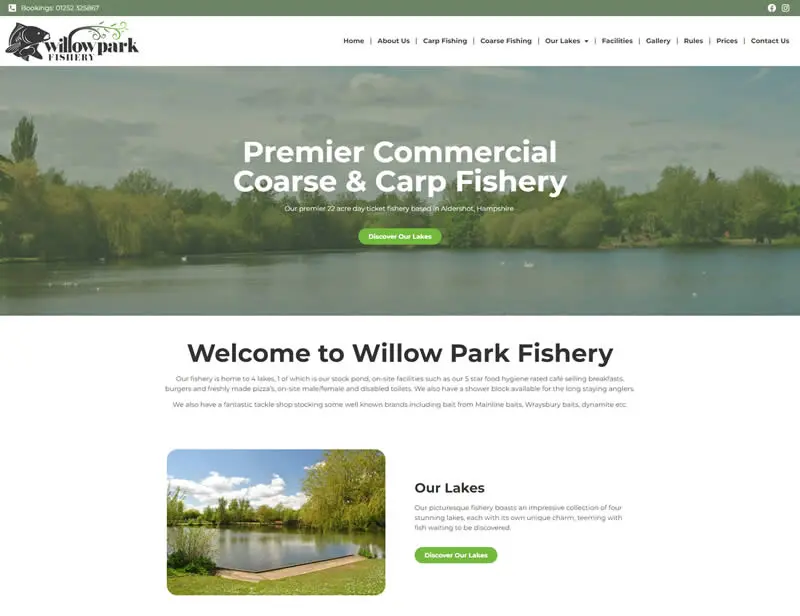
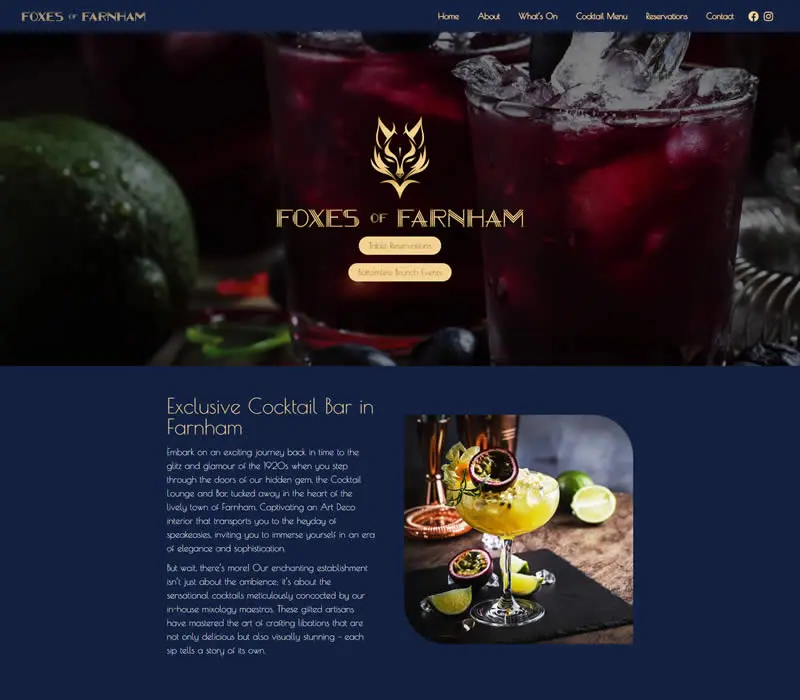
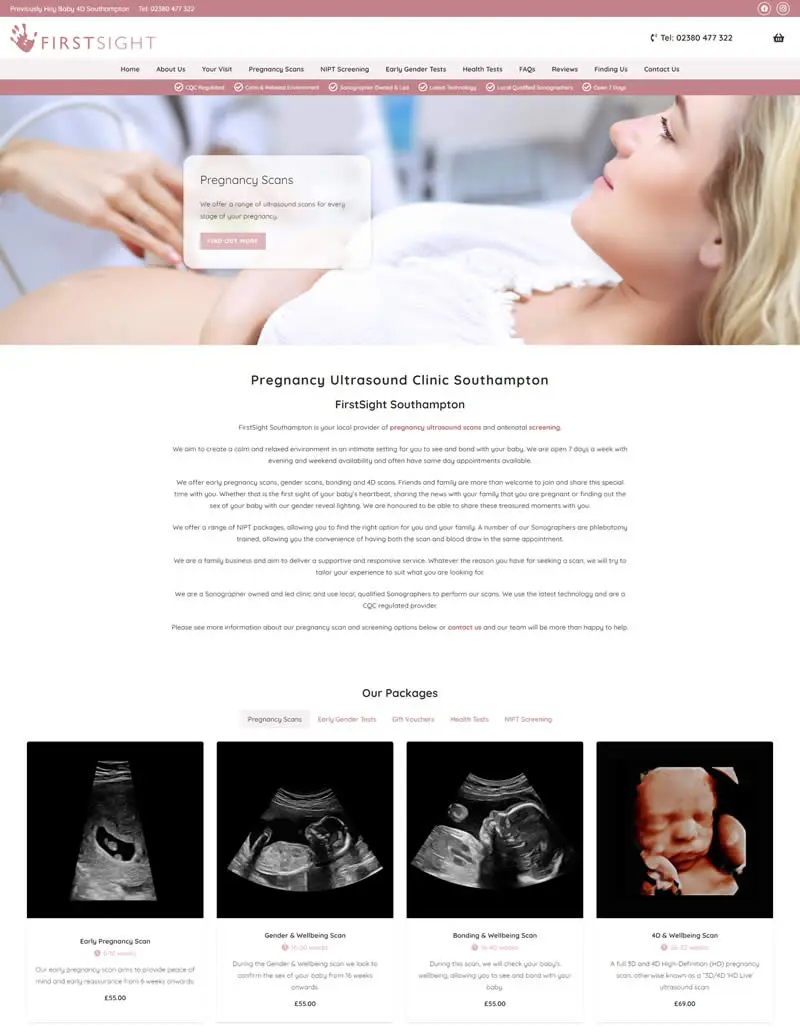
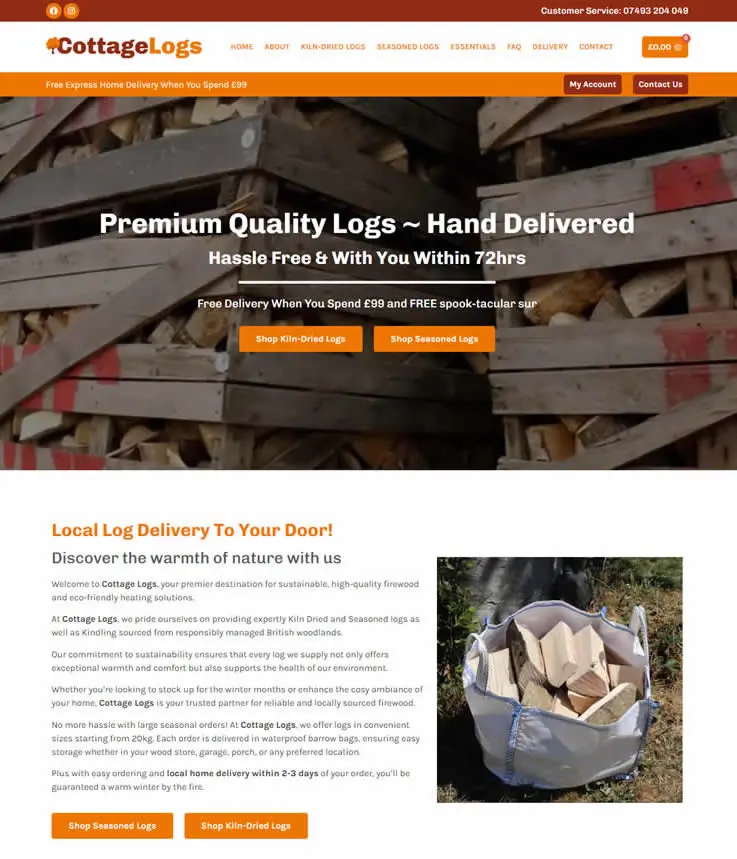
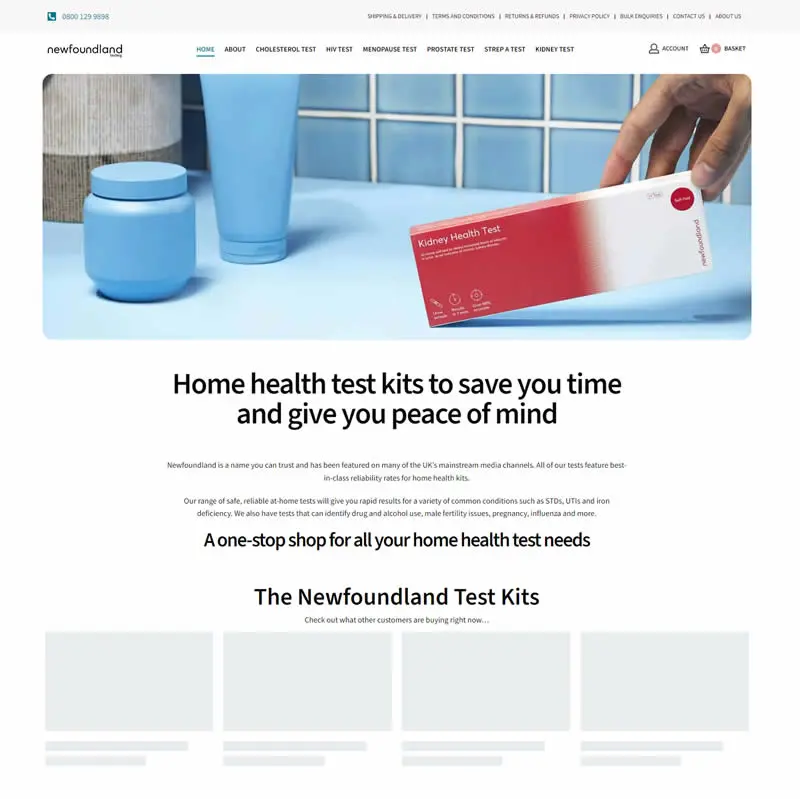
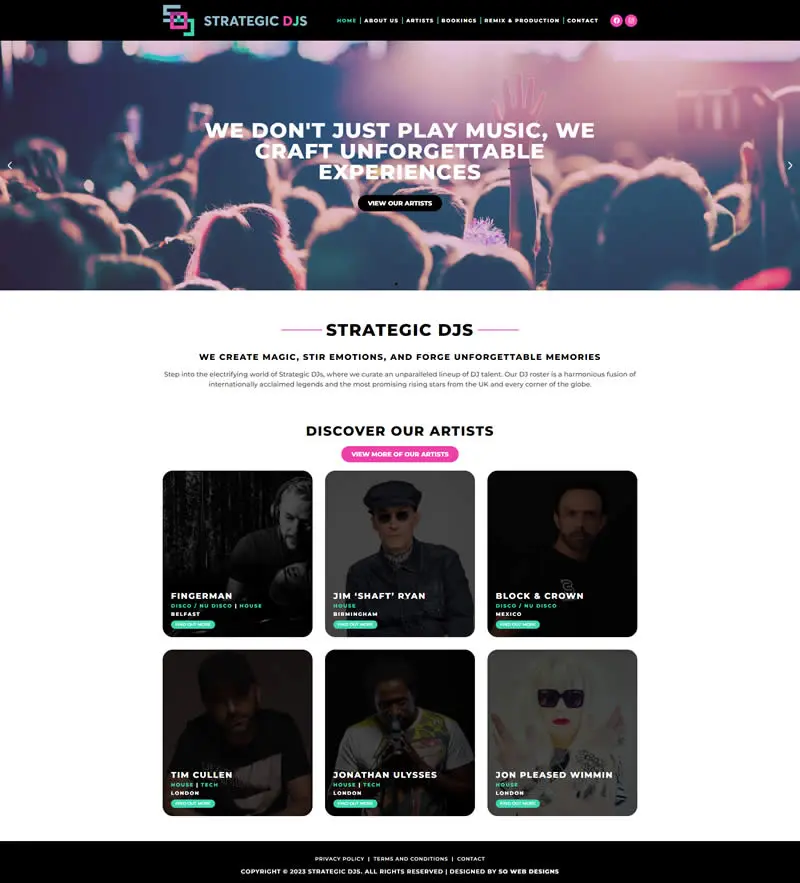
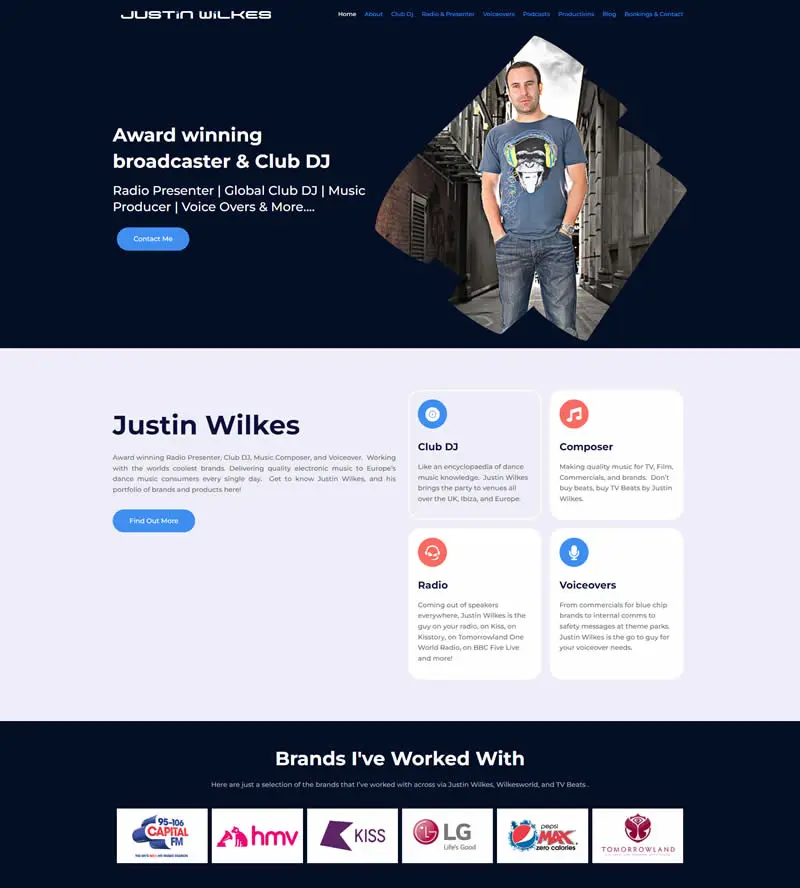
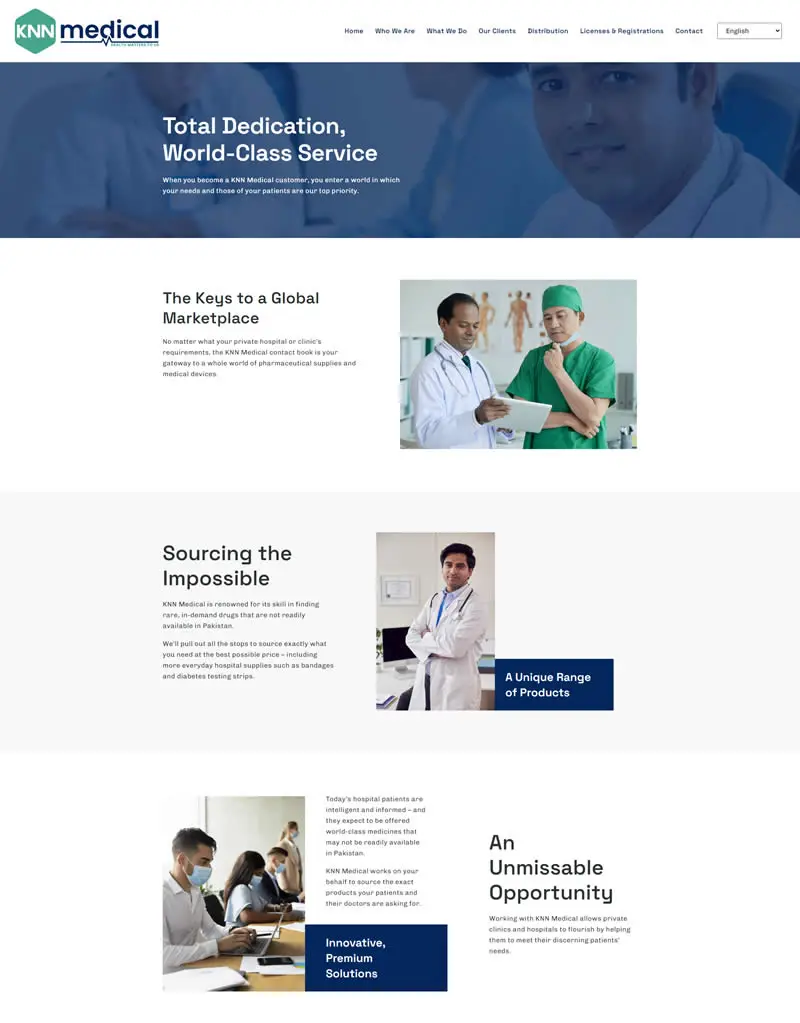
A portfolio should showcase a diverse range of websites, including e-commerce, music, fishing, and general websites, to demonstrate the agency's ability to create custom solutions tailored to client needs.
Can I use a website builder for my portfolio?
While website builders can create a functional portfolio, a custom-designed portfolio from a professional web design company like SO Web Designs can offer a more unique and impactful online presence tailored to your specific needs.
How to measure the success of a website design portfolio?
The success of a website design portfolio can be measured by the diversity of projects, client testimonials, and measurable metrics such as website traffic, user engagement, and client satisfaction.
Can a web design portfolio be self-promotional and effective?
A web design portfolio can be both self-promotional and effective when it showcases the designer's skills, expertise, and creativity while aligning with the client's requirements and preferences.
What are the key elements of a web design portfolio?
The key elements of a web design portfolio include a selection of completed website projects, showcasing the designer's style, technical skills, and ability to meet client requirements. The portfolio should demonstrate versatility in web design, responsiveness, and attention to user experience.
What is the purpose of a website design portfolio?
The purpose of a website design portfolio is to showcase a web designer's or agency's work, capabilities, and creativity to potential clients, demonstrating their expertise and the quality of their web design services.
How does a web design portfolio differ from a resume?
A web design portfolio showcases the designer's past projects and creative abilities, while a resume focuses on the designer's professional background, skills, and work experience.
Can a web design portfolio be solely online or physical?
A web design portfolio can be either solely online or physical, depending on the preferences and needs of the designer and their target audience. Both formats have their advantages, and the choice should align with the client's requirements and the designer's overall brand and marketing strategy.
How do you prioritise projects in a web design portfolio?
The prioritisation of projects in a web design portfolio is based on showcasing a diverse range of client work, highlighting the agency's capabilities and creativity across different industries and website types.
What makes a good website design portfolio for a freelance designer?
A good website design portfolio for a freelance designer showcases a diverse range of projects that demonstrate their design skills, creativity, and ability to meet client requirements across different industries and platforms.
How to showcase web design skills in a portfolio?
Showcasing web design skills in a portfolio involves presenting a diverse range of projects that demonstrate your technical abilities, creative thinking, and understanding of user experience. Highlight responsive designs, effective layouts, and innovative features tailored to client needs.
How to write a case study for a web design portfolio?
To write a case study for a web design portfolio, focus on highlighting the client's goals, the web design process, and the final outcome. Provide visuals and quantifiable results to demonstrate your expertise.
What makes a good web design portfolio for a beginner?
A good web design portfolio for a beginner should showcase a range of projects, demonstrating technical skills, creativity, and an understanding of user experience principles, while highlighting personal growth and development in the field of web design.
What makes a web design portfolio stand out to potential clients?
A web design portfolio stands out to potential clients through a diverse range of high-quality projects, a clear demonstration of design skills, and a cohesive brand identity that aligns with the client's needs.
What are the most important elements of a web design portfolio?
The most important elements of a web design portfolio include a diverse range of project samples, clear presentation of design skills, client testimonials, and a responsive, visually appealing website that showcases the designer's work.
What tools are best for creating portfolios?
The best tools for creating portfolios include Wix, Squarespace, and Adobe Portfolio, which offer customisable templates and features to showcase your work effectively. These platforms prioritise visual presentation and make it easy to build a professional-looking portfolio website.
How to effectively present web design projects?
Effectively presenting web design projects involves showcasing the project's key features, demonstrating the design process, and highlighting the client's satisfaction. This can be achieved through detailed case studies, visually appealing portfolios, and testimonials that emphasise the project's impact and the client's experience.
What layout works best for a portfolio?
The best layout for a portfolio website depends on the type of work being showcased. A clean and simple grid layout is often effective for displaying a range of visual designs, while a scrolling single-page layout can work well for showcasing longer-form content.
How to highlight client testimonials in portfolios?
Highlighting client testimonials in portfolios can be achieved by prominently displaying them alongside project examples, using large text formatting, and strategically placing them to catch the viewer's attention.
What colour schemes enhance a portfolios appeal?
Colour schemes that enhance a portfolio's appeal often incorporate a balanced combination of complementary hues, minimalist palettes, and visually striking contrasts to create a cohesive and visually appealing presentation.
How to organise projects in a portfolio?
Organising projects in a portfolio involves grouping similar work together, highlighting key details about each project, and arranging them in a visually appealing manner to showcase your best work and capabilities to potential clients.
What file formats are ideal for portfolio images?
The ideal file formats for portfolio images are JPG, PNG, and SVG. These formats offer a balance of image quality, file size, and flexibility, ensuring your portfolio displays effectively across different devices and web environments.
How to write compelling descriptions for projects?
Writing compelling project descriptions involves highlighting the unique features, benefits, and outcomes for clients. Focus on showcasing the problem you solved, the approach taken, and the tangible results achieved to captivate potential customers.
What common mistakes to avoid in portfolios?
Common mistakes to avoid in portfolios include featuring low-quality or irrelevant work, not showcasing a range of skills, and failing to provide context for projects. A well-curated portfolio demonstrates your best work and highlights your unique strengths.
How to update a portfolio for new trends?
Updating a portfolio for new trends involves incorporating the latest web design techniques, UI/UX best practices, and emerging technologies to showcase your most current and innovative work. This helps to stay relevant and appeal to evolving client preferences.
What features attract clients to a portfolio?
The features that attract clients to a portfolio include a visually appealing design, a diverse range of projects showcasing the designer's versatility, and testimonials or client reviews demonstrating the quality of work and client satisfaction.
How to integrate social media links in portfolios?
Integrating social media links in portfolios allows clients to easily access and engage with a designer's online presence. This can be done by including clickable icons or links to profiles on relevant social media platforms within the portfolio website.