Berkshire has a strong and varied commercial base. Reading is one of the largest business centres outside London; Bracknell has a significant technology and professional services cluster; Newbury serves a wide rural catchment; and towns like Wokingham, Maidenhead, and Slough have their own distinct commercial characters. Businesses across this range are increasingly selling online, either as their primary channel or as a complement to physical presence, and the requirements for a well-built e-commerce site are consistent regardless of where in the country you’re based.
This post sets out what those requirements are, what tends to go wrong with e-commerce builds, and what to expect if you’re a Berkshire business considering a new online store or looking to improve an existing one.
Who E-Commerce Works Best For in Berkshire
E-commerce isn’t the right fit for every business. It works best where products can be clearly described and photographed, where customers are comfortable buying without speaking to someone first, and where the business has the operational capacity to fulfil orders consistently. In Berkshire, we see it working well across a wide range of sectors: specialist retailers who want to extend their reach beyond their local catchment area; trade suppliers serving contractors across the county; hobby and sporting goods businesses with an established customer base; and professional services firms offering digital products or subscriptions.
It works less well, at least initially, for businesses selling high-consideration products that require a conversation before purchase, or for those that lack the photography, product descriptions, and inventory management processes needed to run a store properly. Being honest about this at the outset saves time and money.
What a Well-Built Berkshire E-Commerce Site Needs
A platform that fits your business
WooCommerce, built on WordPress, is the platform we use for most e-commerce projects. It gives you full ownership of your store and data, no revenue percentage taken by the platform, and the flexibility to handle complex product catalogues, B2B pricing structures, and custom integrations. For most Berkshire businesses with more than a handful of products or any degree of operational complexity, it’s the stronger long-term choice.
Shopify is the main alternative. It’s simpler to set up but less flexible, and the monthly fees increase in proportion to revenue at higher tiers. For a small store with a straightforward catalogue and no complex requirements, it’s a reasonable option. We’ll give you an honest view of which makes more sense for your specific situation, rather than defaulting to a single answer.
Speed and mobile performance
Most e-commerce browsing in Berkshire, as everywhere, now happens on mobile. A store that is technically responsive but genuinely uncomfortable to browse and purchase on will lose sales at every stage of the funnel. Speed matters too: slow product pages lose visitors before they’ve engaged with your offer. Both are heavily influenced by how the store is built, and it’s significantly easier to build a fast, mobile-optimised store from the start than to fix a slow one after launch.
Product structure and navigation
How products are organised and easy to find is one of the most consistently underestimated aspects of e-commerce design. Categories and filters that make sense from an internal perspective often don’t reflect how customers search for and compare products. Getting this right requires careful consideration of your customers’ buying behaviour, what they know when they arrive, how they prefer to narrow down options, and what information they need before they’re ready to buy.
Checkout experience
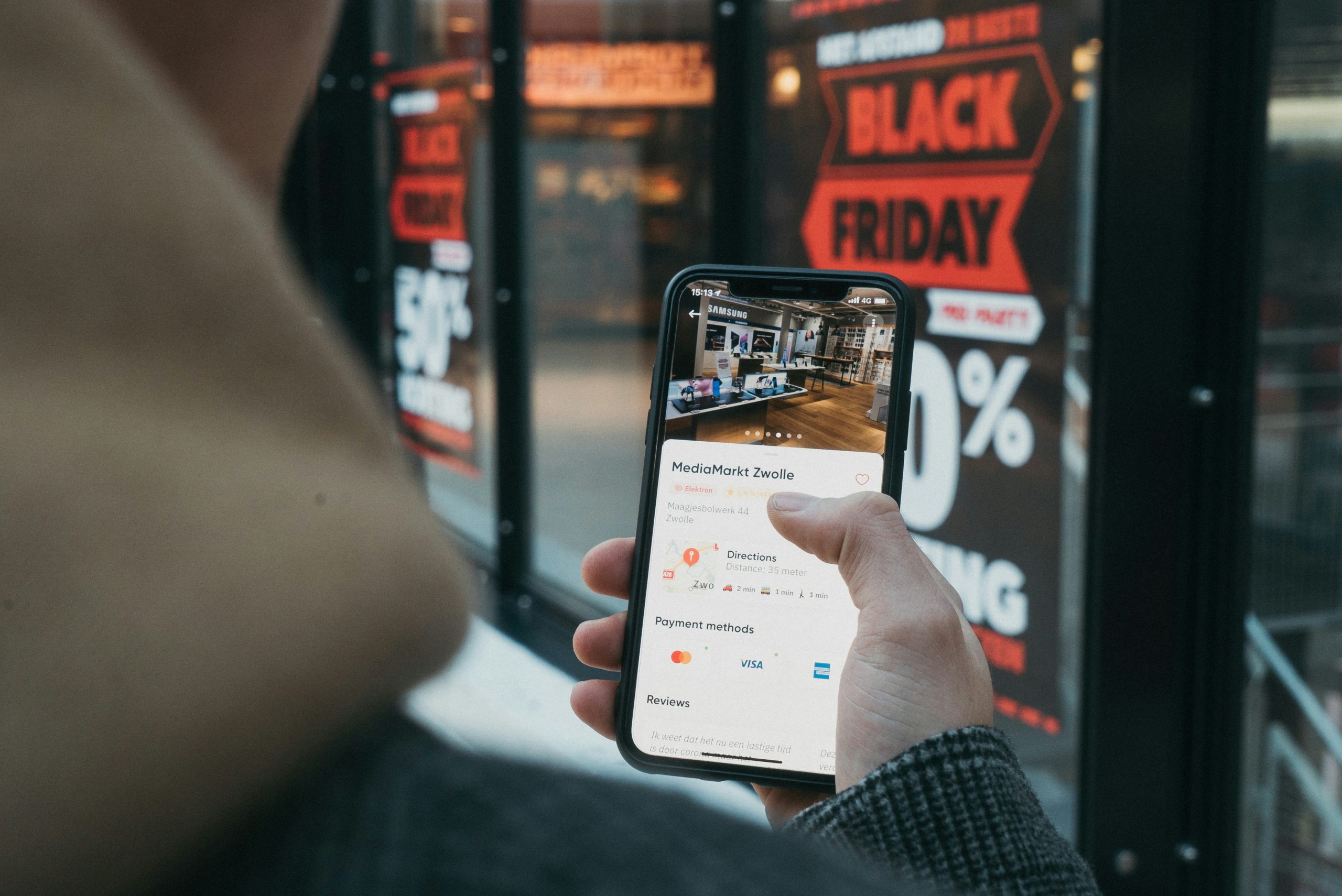
Cart abandonment at checkout is one of the most common and most preventable e-commerce problems. The main causes are well understood: too many steps, forced account creation before purchase, unexpected costs appearing late in the process, and limited payment options. A well-built WooCommerce store addresses all of these through considered checkout design, guest checkout as standard, transparent delivery costs from the start, and support for the payment methods your customers actually use.
Search visibility
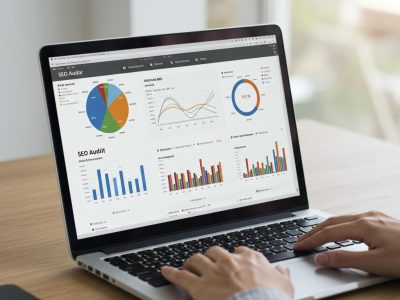
An online store that doesn’t appear in search for the products it sells is effectively invisible. E-commerce SEO involves specific considerations beyond a standard business website: product and category page optimisation, handling of out-of-stock items, duplicate content from product variations, structured data markup that enables rich results, and, for Berkshire businesses selling locally as well as nationally, location-specific pages that capture regional search intent.
Realistic Costs and Timelines
A straightforward WooCommerce store with up to 50 products, custom design, and standard checkout functionality starts from £2,995 and typically takes six to eight weeks from design sign-off to launch. Larger catalogues, B2B pricing structures, integration with stock management systems, and custom functionality add to both cost and timeline. We scope every project individually and provide a fixed quote before work begins.
The ongoing management burden is frequently underestimated. Adding products, updating content, running promotions, and keeping the platform up to date all take time. We provide training at handover and offer monthly support packages for businesses that want ongoing help.
Why Work with a Local Agency for Your Berkshire E-Commerce Build
SO Web Designs is based in Aldershot on the Hampshire-Berkshire border, which puts us well placed to serve businesses across Berkshire, Bracknell, Reading, Wokingham, Newbury, Maidenhead, and the towns in between. We understand the commercial landscape in this part of the country, and we’re accessible for in-person meetings when a project benefits from one.
More practically, we build e-commerce sites and then support them on an ongoing basis. That means we have a direct interest in building something that works well rather than something that looks good at handover and causes problems six months later.
Frequently Asked Questions – E-Commerce Web Design in Berkshire
How much does an e-commerce website cost in Berkshire?
A WooCommerce store with up to 50 products starts from £2,995. Larger or more complex builds are scoped and priced individually. We provide a fixed quote before any work begins, so there are no surprises.
Do you work with Berkshire businesses across the whole county?
Yes, we work with businesses across Berkshire, from Bracknell and Wokingham in the east to Newbury and Hungerford in the west. Most project work is handled remotely with the option to meet in person when useful.
How do I get my Berkshire store to appear in Google?
Through a combination of on-page SEO (product and category page optimisation), technical SEO (site speed, structure, schema markup), and ongoing content and link-building work. We include basic on-page SEO in every build and offer ongoing SEO services for stores that need continued visibility improvement.
What ongoing support do you offer after launch?
We offer monthly support packages that cover software updates, security monitoring, hosting, product enhancements, and ongoing SEO. Details are on our website management page, or we’re happy to discuss what makes sense for your specific situation.
Looking for a reliable web design partner across Berkshire? SO Web Designs builds bespoke WordPress and WooCommerce websites for Berkshire businesses. Visit our web designer Berkshire page to find out more.