Expert SEO Services for UK Small Businesses
For small businesses in the UK, a strong online presence is no longer a luxury but a necessity. Search Engine Optimisation (SEO) is a critical component of this, ensuring your business appears prominently in search engine results when potential customers are looking for your products or services. SO Web Designs offers expert SEO services tailored to the unique needs of UK businesses, helping you attract more qualified leads and drive sustainable growth.
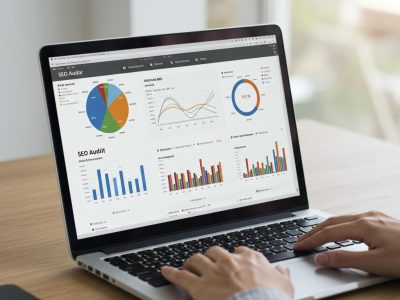
Our SEO strategies are designed to improve your website's visibility across all major search engines. This includes on-page optimisation, technical SEO audits, and off-page strategies like link building. We focus on understanding your target audience and the keywords they use, ensuring your business connects with the right customers at the right time. For example, a local plumber in Birmingham might benefit from specific local SEO tactics to rank for "plumber near me" searches in their service area.
Local SEO Strategies to Boost Your Visibility
For businesses serving a specific geographic area, Local SEO is paramount. It focuses on optimising your online presence to attract more business from relevant local searches. This means ensuring your business appears in local search results, map packs, and directories, making it easier for nearby customers to find and choose you.
Effective Local SEO involves several key actions. This includes optimising your Google Business Profile with accurate information, encouraging customer reviews, and ensuring your business name, address, and phone number (NAP) are consistent across all online platforms. For instance, a boutique clothing store in Manchester would benefit from optimising its Google Business Profile with opening hours, high-quality photos, and specific service offerings to attract local shoppers.
Professional Website Design for Enhanced Credibility
Your website is often the first impression potential customers have of your business. Professional website design is crucial for establishing credibility, conveying trust, and effectively showcasing your brand's offerings. A well-designed website not only looks good but also functions seamlessly, providing a positive user experience that encourages engagement and conversions.
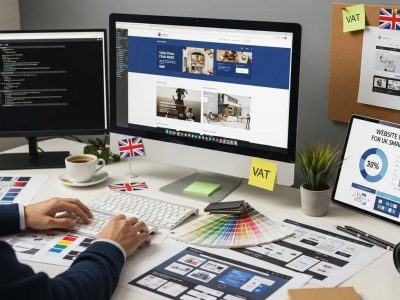
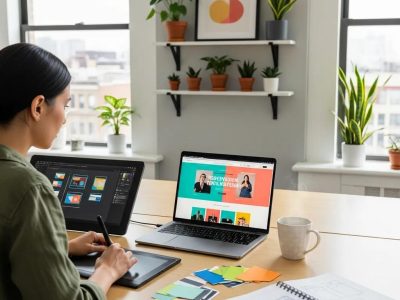
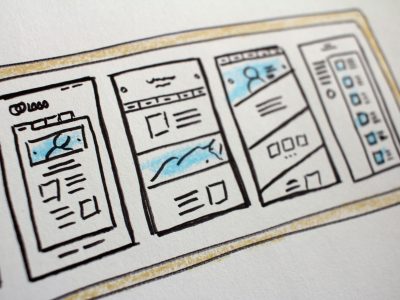
At SO Web Designs, we specialise in creating visually appealing, user-friendly, and mobile-responsive websites. We understand that a professional design goes beyond aesthetics; it involves strategic layout, clear navigation, and compelling calls to action. For example, a professional service-based business, such as a law firm or an accounting practice, needs a website that communicates expertise and reliability, often featuring client testimonials and clear service descriptions to build confidence.
Affordable Web Design Solutions for Small Businesses
Many small businesses operate on tight budgets, making professional web design seem out of reach. However, investing in an affordable yet effective website is essential for competing in today's digital landscape. SO Web Designs is committed to providing cost-effective web design solutions that deliver significant value and a strong return on investment for UK small businesses.
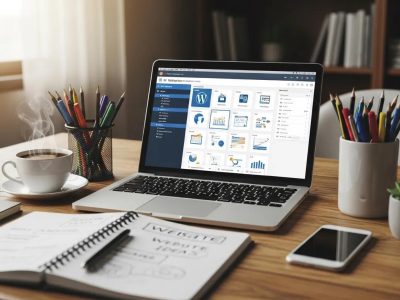
Our approach to affordable web design focuses on delivering essential features and a professional finish without unnecessary complexity or expense. This can include utilising robust content management systems like WordPress, offering tiered service packages, and prioritising the most impactful design elements. For instance, a start-up bakery might opt for a clean, image-focused website showcasing their products, with integrated online ordering capabilities, all delivered through a cost-effective package that meets their immediate needs while allowing for future expansion.