SEO vs PPC for Hampshire Businesses: Which Delivers Better ROI?
Choosing between Search Engine Optimization (SEO) and Pay-Per-Click (PPC) is one of the most common marketing dilemmas for Hampshire businesses. This guide walks through what each approach does best, the pros and cons for local firms, and how to combine them for stronger returns. We’ll cover the basics of SEO and PPC, practical benefits for small businesses, and how a blended strategy often gives the best long-term results. If you want clearer visibility, better customer engagement and more leads, understanding these differences helps you decide what to invest in and when.
The wider effect of digital marketing on local firms — improving engagement, boosting sales and building brands — is an important part of this conversation.
Digital marketing and local business growth
Purpose: This study looks at how digital marketing supports local businesses — from raising customer engagement to improving sales and brand recognition. It highlights the practical challenges small firms face when adopting digital tools and offers context on how these tactics support sustainable growth in a digital-first market.
The Impact of Digital Marketing on Local Businesses, Y Yendra, 2024
What is SEO and how it helps Hampshire small businesses
SEO (Search Engine Optimization) improves a website’s visibility in search results by optimizing content, technical structure and on-page elements. For small Hampshire businesses, that means showing up when local customers search for the services you offer. Effective local SEO increases relevant traffic, improves conversion chances and can drive steady sales over time. Simple local steps — targeting neighbourhood keywords and setting up an accurate Google Business Profile — make it much easier for customers nearby to find you and contact you.
Key components of local SEO
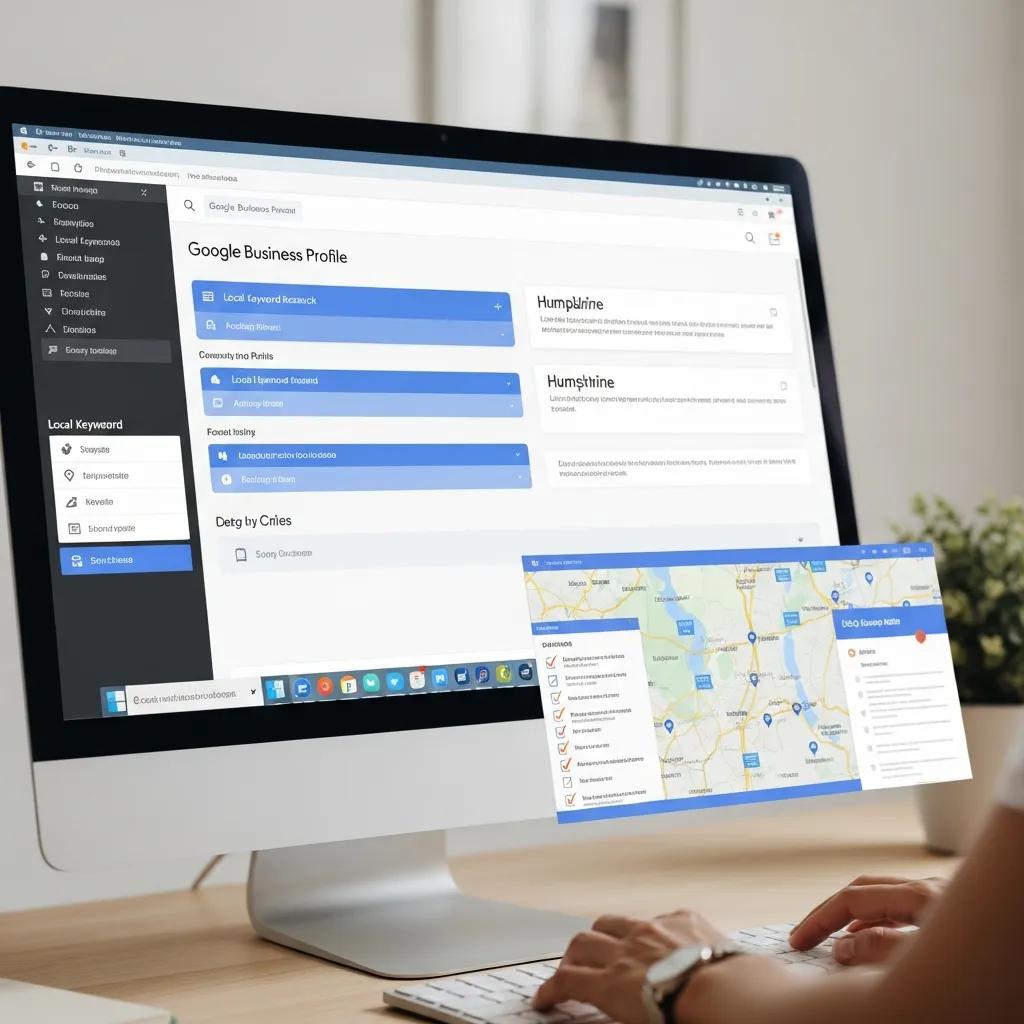
- Keyword research for local searches : Finding the exact phrases local customers use when looking for services.
- Optimising meta tags and titles : Writing clear, local-focused titles and descriptions that improve click-throughs.
- Building local citations : Listing your business consistently across directories to boost trust and visibility.
- Localised content strategies : Producing content that speaks to local needs, events and language to connect with your community.
- Integrating Google Business Profile : Ensuring your profile is complete, accurate and regularly updated to show in local results.
Together these elements help small businesses appear in relevant local searches and attract customers who are ready to act.
How local SEO raises your visibility in Hampshire
Local SEO focuses your site and listings so they match what nearby customers search for. That includes local keyword targeting, clear meta information and trusted directory listings. When combined with a well-maintained Google Business Profile, these steps increase the chance your business appears in local search packs and maps — making it easier for people in Hampshire to find and visit you.
What is PPC and how it produces fast results for UK small businesses
PPC (Pay-Per-Click) is paid advertising where you only pay when someone clicks your ad. It buys visibility — often placing your message at the top of search results right away — so it’s ideal for time-sensitive offers or launching new services. For UK small businesses, PPC delivers traffic and leads quickly, letting you test messages and measure results in real time.
Research into PPC evaluates how paid search drives customer acquisition and short-term revenue when campaigns are well measured and optimised.
PPC and paid search: ROI for customer acquisition
This review examines the effectiveness of PPC and paid search across different industries, focusing on measurement, optimisation and their impact on acquiring customers and driving short-term revenue.
Pay Per Click and Paid Search: Cost-Effectiveness and ROI in Digital Marketing, LA Maluleke
Essential elements of a strong PPC campaign

- Keyword selection : Target the search terms that match buyer intent and balance cost versus value.
- Ad copy : Clear, persuasive ads that encourage clicks and set accurate expectations.
- Landing page optimisation : Relevant, fast pages that make conversion simple for visitors from ads.
- Bid management : Smart bid adjustments based on performance to protect your budget.
- Performance tracking : Ongoing measurement to refine targeting, creative and spend.
When these pieces work together you get targeted traffic that converts — fast.
How PPC reaches local Hampshire audiences
PPC platforms like Google Ads let you target by location, so you can limit ads to Hampshire or even specific towns and postcodes. Use location-based keywords and locally relevant ad copy to increase relevance. Unlike organic tactics (citations, Google Business Profile), PPC focuses on paid placements — but localised ad creative and precise geo-targeting help you connect with nearby customers quickly and predictably.
How SEO and PPC compare for ROI in Hampshire
Comparing SEO and PPC comes down to time, cost and goals. SEO builds sustainable organic traffic but usually takes months to show large gains. PPC produces immediate visibility and leads, but costs can add up. Over time, SEO tends to be more cost-effective for steady traffic, while PPC is better for quick launches, promotions or filling short-term gaps.
Looking at long-term returns for both approaches helps you choose the right mix for your business objectives.
Comparing PPC and SEO returns over time
This research compares the return on investment of paid (PPC) versus organic (SEO) strategies and models forecasts for when each approach delivers the best ROI over a given period.
Comparing the Return on Investment of Search Engine Optimization and Pay-Per-Click marketing: Developing a model to forecast the ROI of SEO based on the …, 2021
Cost differences between SEO and PPC
| Strategy | Cost Structure | Typical Investment | ROI Timeline |
|---|---|---|---|
| SEO | Ongoing investment in content and optimisation | Varies, often lower over time | Long-term (months) |
| PPC | Pay-per-click model — costs grow with traffic | Higher upfront spend | Immediate (days) |
The table shows how SEO services can be more sustainable across time while PPC offers fast access to traffic at a higher short-term cost.
Time to results and conversion rate differences
SEO typically ramps up over months as content and authority build. PPC can deliver clicks and leads within days. Conversion rates depend on landing page quality and message match — well-targeted PPC often converts strongly because traffic is intent-driven, while SEO can build broader, ongoing engagement that converts steadily over time.
Why combining SEO and PPC makes a stronger strategy for Hampshire
Using SEO and PPC together lets you cover both short- and long-term goals. PPC fills the gap while SEO grows organic reach; SEO reduces long-term acquisition costs while PPC tests messaging and captures immediate demand. Together they increase overall visibility and provide data that improves both channels.
Using PPC data to improve SEO
PPC campaigns surface high-performing keywords and ad messaging quickly. Use that data to prioritise SEO content and optimise pages for terms that prove profitable. This data-driven feedback loop helps focus organic efforts on high-converting topics and reduces guesswork.
The role of web design in SEO and PPC performance
Good web design underpins both channels: a fast, mobile-first, user-friendly site improves engagement, lowers bounce rates and supports better search rankings. For PPC, strong design and clear funnels lift conversion rates and can improve Quality Score, which reduces your cost per click. In short, technical performance, consistent branding and a friction-free user experience make both SEO and PPC more effective.
A well-built site brings together technical best practice, clear messaging and intuitive UX — all essential for getting the most from your marketing spend.
Why PPC Delivers Rapid Results for Hampshire Small Businesses
- Strong online presence : Build a professional, easy-to-use website that answers customer needs and encourages repeat visits.
- Custom WordPress solutions : Use WordPress where customisability and easy content management help you control messaging and SEO.
- Local SEO strategies : Focus on local keyword research, on-page optimisation and a complete Google Business Profile to stay visible in local searches.
- Engaging content : Create localised content that speaks to your audience’s needs and local interests to increase engagement.
- Responsive design : Ensure your site works well on all devices — this improves conversions and search performance.
- Clear calls-to-action : Use obvious next steps on pages to guide visitors through enquiries or purchases.
- E-commerce capabilities : Where relevant, add reliable online shop features (e.g. WooCommerce) for product management and payments.
Focused work on these areas helps Hampshire businesses get more from both paid and organic channels and improves overall ROI.
Which factors should decide between SEO, PPC or both?
When choosing SEO, PPC or a mix, consider:
- Budget considerations : Know how much you can commit now versus over time.
- Business goals alignment : Decide whether you need immediate leads or sustained growth.
- Industry-specific strategies : Some sectors perform better with paid search while others benefit more from organic presence — check competitive dynamics and customer habits.
Examples of successful SEO and PPC in Hampshire
Local Hampshire businesses often see the best results when they combine both channels. For example, a retail shop that invested in targeted PPC while improving local SEO saw a clear uplift in both web traffic and in-store sales. They used PPC to promote seasonal offers and SEO to capture ongoing local searches, creating a complementary approach that improved ROI.
Common questions about SEO and PPC ROI for Hampshire businesses
As you evaluate SEO and PPC, some frequent questions come up about cost, timing and value.
Is SEO more cost-effective than PPC for local businesses?
Over the long term, SEO is generally more cost-effective for local businesses because it builds sustainable organic traffic. PPC gives quick visibility but requires continuous spend. That said, PPC can be the right choice for immediate campaigns or testing new offers.
How long until SEO shows results compared with PPC?
PPC can produce measurable results in days; SEO usually takes months to build momentum. Both have value — PPC for short-term goals and SEO for steady, long-term growth.
Conclusion
Knowing the strengths of SEO and PPC helps Hampshire businesses choose the right mix for their objectives. Use SEO to build lasting organic visibility and PPC when you need immediate traffic or to test messaging. Combining them gives you the speed of paid ads plus the sustainability of organic search — a balanced approach that maximises ROI and builds a stronger local presence. Start with clear goals, test carefully, and refine both channels to unlock your business’s potential.