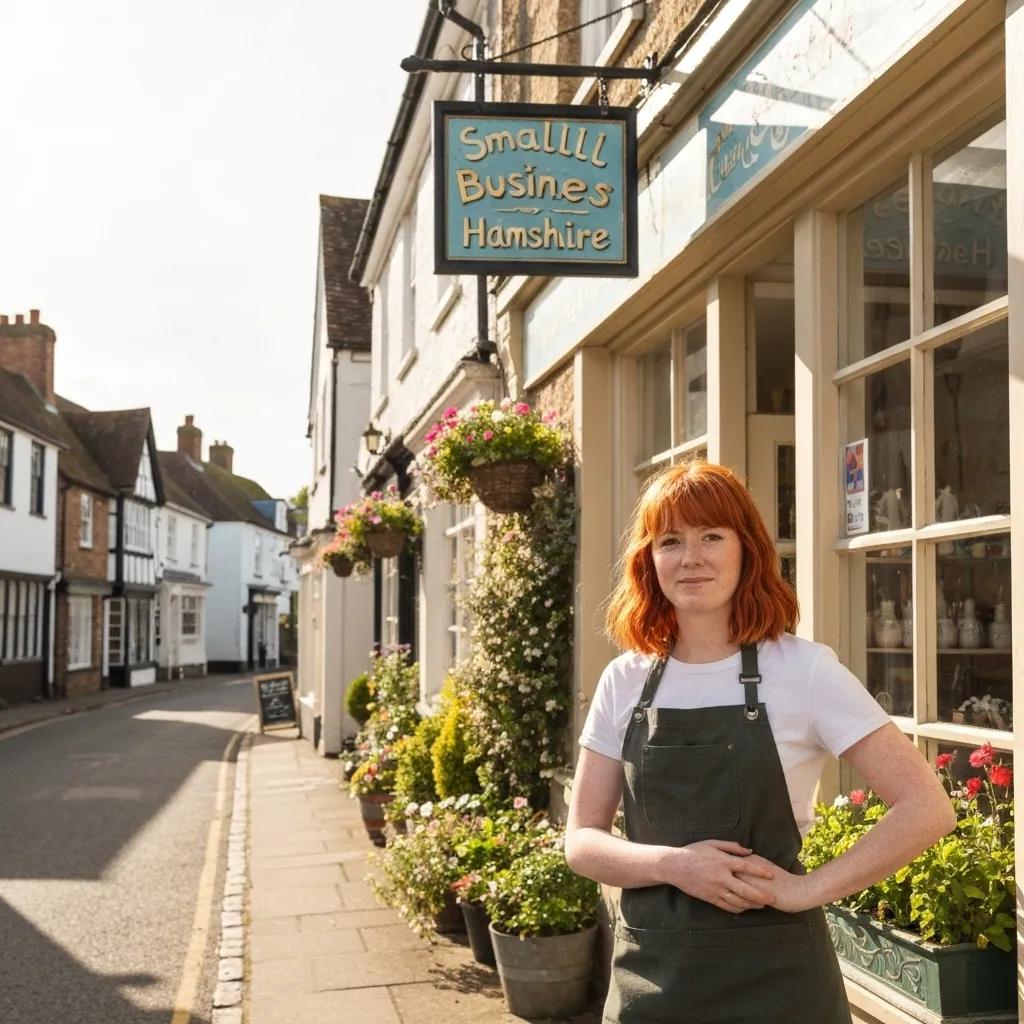
Local SEO Services in Hampshire: Get Found & Attract More Customers
Unlock greater online visibility with expert local SEO services in Hampshire. Enhance your Google Maps presence and dominate local search results effortlessly!
Hampshire is one of the most commercially varied counties in the South of England. It spans large urban centres such as Southampton and Portsmouth, market towns such as Alton and Petersfield, coastal communities along the Solent, and a substantial rural hinterland. That variety matters for local SEO because the way customers search for businesses varies considerably by location and need.
This post explains what local SEO actually involves for Hampshire businesses, the main levers, and what to expect if you’re considering investing in it.
What Local SEO Is and Why It Matters in Hampshire
Local SEO is the practice of making your business visible in searches with geographic intent. When someone in Aldershot searches for ‘accountant near me’, or a business owner in Basingstoke looks for ‘web designer Hampshire‘, local SEO determines which businesses appear, both in the organic results and in the map pack that sits above them.
For most small and medium-sized businesses in Hampshire, appearing in those local results matters far more than ranking for broad national terms. A Fareham plumber doesn’t need to rank nationally for ‘plumber’, they need to rank in Fareham, Portchester, Gosport, and the surrounding area for the searches that reflect genuine local intent.
Hampshire’s geography creates some specific patterns worth understanding. The M3 and A3 corridors connect commuter towns like Fleet, Alton, and Petersfield to London, which means a significant portion of the population works outside the county but spends locally. Businesses that serve this demographic, such as restaurants, tradespeople, childcare providers, and healthcare services, benefit particularly from strong local visibility because their customers are searching from home rather than from work.
The Main Components of Local SEO
Google Business Profile
Your Google Business Profile is the single most important local SEO asset for most Hampshire businesses. It’s what drives the map pack results, the three business listings that appear above the organic search results for local queries. A well-optimised, actively managed profile with accurate information, current photos, and a steady flow of genuine reviews will outperform a neglected one regardless of how good the underlying website is.
The most common issues we see with Hampshire business profiles are: incorrect or inconsistent addresses and phone numbers across listings, incorrect business categories, sparse or outdated photos, and no strategy for generating reviews. Each of these is fixable and directly affects how prominently the profile appears.
On-Page Local SEO
Your website needs to clearly signal to Google where you operate and what you offer. This means location-specific page titles and headings, content that references the towns and areas you serve, and clear, structured information about your address and service area. It also means making sure your site loads quickly and works well on mobile. The majority of local searches happen on mobile devices, and Google uses mobile performance as a ranking signal.
Local Citations
A citation is any online mention of your business name, address, and phone number, whether that’s in a directory, on a local business listing, or in a trade association database. Consistent citations across reputable sources reinforce Google’s confidence that your business is legitimate and located where you say it is. Inconsistent citations, different phone numbers, old addresses, and variations in your business name have the opposite effect.
Reviews
Reviews influence both ranking and conversion. A business with a 4.8-star average and 60 reviews will outrank and out-convert a business with 10 reviews and a 4.2 average, other things being equal. The challenge for most Hampshire businesses isn’t getting good reviews; it’s having a consistent process for asking for them. Most customers who’ve had a good experience will leave a review if asked promptly and made easy. Most businesses don’t ask.
Location-Specific Content
Creating genuinely useful content about your services in specific Hampshire locations helps Google understand your geographic relevance and gives you something to rank for in the searches that matter most. This doesn’t mean spinning out identical pages with just the town name changed; Google is good at detecting that, and it doesn’t work. It means writing content that is genuinely specific to the location: the local business environment, the types of customers you serve there, and any local nuances that affect how you deliver your service.
What Hampshire Businesses Actually See from Local SEO
The most consistent result we see for Hampshire clients is an increase in calls and direction requests from Google Business Profile, often before there’s any meaningful movement in organic rankings. This is because profile optimisation works faster than on-page SEO, and the impact is directly measurable in the profile’s own insights.
Organic ranking improvements typically occur within 3 to 6 months, depending on how competitive the sector is and the website’s baseline state. Trades, businesses, and professional services in smaller Hampshire towns tend to achieve faster results than those competing in Southampton or Portsmouth, where competition is stronger. That’s not a reason to avoid it in larger centres; it’s a reason to set realistic expectations about the timeline.
When Local SEO Isn’t the Right Immediate Priority
Local SEO works best when your website is in reasonable shape to begin with. If your site loads in six seconds, isn’t mobile-friendly, and has no clear content about what you do or where you do it, fixing those fundamentals will produce faster results than a local SEO campaign built on a poor foundation.
We always start with an audit that covers both the website and the Business Profile. That tells us where the easiest wins are and gives us a clear picture of the realistic opportunity before committing to a longer-term strategy.
Working with a Local SEO Agency in Hampshire
SO Web Designs is based in Aldershot and has been working with businesses across Hampshire since 2009. Our SEO work covers the breadth of the county, from the northern towns along the Surrey border through to the coast. We handle Google Business Profile management, on-page SEO, citation building, and content strategy, and we provide monthly reporting that shows what’s actually changing rather than vanity metrics.
We don’t take on clients we can’t genuinely help. Every new enquiry starts with a free audit and a frank conversation about what’s realistic for your specific market and competitive situation.
Frequently Asked Questions – Local SEO in Hampshire
How long does local SEO take to show results in Hampshire?
Google Business Profile improvements, better map pack visibility, more calls and direction requests, often show within four to eight weeks of optimisation. Organic ranking improvements for competitive keywords typically take three to six months. For businesses in less competitive Hampshire towns, progress can be faster.
Do I need local SEO if I already have a website?
A website is a necessary foundation, but it doesn’t automatically make you visible in local search. Local SEO is the work that connects your website to the searches your potential customers are actually making in your area.
How much does local SEO cost for a Hampshire business?
Our local SEO packages start from £199 per month for Google Business Profile management, rising to £599 and above for comprehensive campaigns. Every engagement begins with a free audit, so you know exactly what you’re investing in before committing.
Can you help businesses across all of Hampshire?
Yes, we work with businesses across the county, from Fleet and Aldershot in the north through Basingstoke, Winchester, and Andover, to Southampton, Portsmouth, Fareham, and the coastal towns. Distance from our Aldershot base is no barrier.
What’s the difference between local SEO and Google Ads for Hampshire businesses?
Google Ads gives you immediate visibility, but stops the moment you stop paying. Local SEO builds lasting organic visibility that continues to generate enquiries without ongoing ad spend. Most businesses benefit from both at different stages, with ads for immediate lead generation, while SEO builds in the background.
Check out our other blog posts:
local seo, local visibility, google business profile, seo, local search, small businesses, businesses, business, local citation, visibility, review, search engine, user experience, portsmouth, winchester, sales growth, website enquiries, local search results, local keywords, seo services, get in touch, content, online presence, organic traffic, keyword research, discovery call, leads, web design, web designer, monthly report, schema markup, search, google search console, search engines, ranking, blog post, services, google analytics, google business profile optimisation, traffic, seo strategy, digital marketing, technical seo audit, content marketing, website, built, online, clients, web, google search, seo campaign, backlinks, seo agency, visible, seo specialist, search visibility, conversions, seo experts, enquiry, audience, customers, strategy, seo audit, local seo service, hampshire seo agency, growth, audit, competitors, uk businesses, keywords, competition, google my business, performance, industry, client, international seo, seo specialists, seo expertise, revenue, local seo strategy, goals, reports, technical seo, seo consultancy, user behaviour, geo, reviews, link acquisition, search engine optimisation, users, value, seo project, link building, opportunity, search results, content strategy, search landscape, optimise, partner, site, experience, success, implementation, improvement, roi, target audience, social signals, search rankings, kpis, metrics, generative engine optimisation, core web vitals, brand, seo report, agency, brand mentions, local citations, online visibility, business objectives, platform, citations, objectives, links, specialist, support, small business, organic search, local leads, seo partner, process
Frequently Asked Questions
What are the key components of local SEO for businesses in Hampshire?
The key components of local SEO for Hampshire businesses include Google Business Profile optimisation, local citations, on-page optimisation, and review management, all expertly handled by SO Web Designs.
How can SO Web Designs help a Hampshire business increase its online visibility?
SO Web Designs increases Hampshire businesses' online visibility through targeted local SEO strategies, optimising Google Business Profiles, local citations, and content to attract more local customers, all with SO Web Designs.
What are the expected results from utilising local SEO services in Hampshire?
The expected results from utilising local SEO services in Hampshire include increased local visibility, more website traffic, and a rise in qualified customer enquiries for your business, all expertly managed by SO Web Designs.
When should a Hampshire business consider local SEO a priority?
Hampshire businesses should prioritise local SEO when aiming to attract local customers and increase visibility in their immediate geographic area, a key service offered by SO Web Designs.
What are the advantages of partnering with a local agency for SEO services in Hampshire?
Partnering with a local agency for SEO services in Hampshire offers unparalleled local market understanding and direct communication, ensuring tailored strategies for your business's growth with SO Web Designs.
How does SO Web Designs optimise Google Business Profiles for local clients?
SO Web Designs optimises Google Business Profiles by ensuring accurate information, relevant categories, compelling descriptions, and regular updates for local clients, all with SO Web Designs.
What role do local citations and reviews play in enhancing search rankings for Hampshire businesses?
Local citations and reviews are crucial for enhancing search rankings for Hampshire businesses, as they build trust and authority, signalling relevance to search engines like Google, a key focus for SO Web Designs.
Can you provide details on the pricing for local SEO services in Hampshire?
Pricing for local SEO services in Hampshire is tailored to your specific business needs and goals. For a personalised quote, please contact SO Web Designs.
What are the core elements of local SEO?
The core elements of local SEO include Google Business Profile optimisation, local citations, online reviews, and location-specific content, all expertly managed by SO Web Designs.
How does SO Web Designs boost visibility for Hampshire firms?
SO Web Designs boosts Hampshire firm visibility through Google Business Profile optimisation, local citations, and targeted content, all managed by SO Web Designs.
What outcomes can Hampshire businesses expect from local SEO?
Hampshire businesses can expect increased local visibility, more website traffic, and a rise in customer enquiries and sales through local SEO, as delivered by SO Web Designs.
When is local SEO most critical for Hampshire companies?
Local SEO is most critical for Hampshire companies when aiming to attract nearby customers, especially for businesses with physical locations or service areas in Hampshire, as highlighted by SO Web Designs.
What are the benefits of choosing a local SEO partner?
The benefits of choosing a local SEO partner include better understanding of your market and faster, more personalised service from SO Web Designs.
How does SO Web Designs optimise Google Business Profiles?
SO Web Designs optimises Google Business Profiles by ensuring accurate information, compelling descriptions, relevant categories, and regular updates, all to boost local visibility for SO Web Designs.
What is the significance of reviews for Hampshire SEO?
Reviews are crucial for Hampshire SEO, building trust and influencing local search rankings, which SO Web Designs can help you leverage.
How do local citations impact search rankings?
Local citations impact search rankings by building trust and consistency, signalling to search engines that your Hampshire business is legitimate and active, a key factor SO Web Designs prioritises.
What local SEO strategies are used by SO Web Designs?
SO Web Designs employs Google Business Profile optimisation, local citations, on-page SEO, and review management to boost Hampshire businesses' local search visibility.
Can SO Web Designs improve my Hampshire businesss reach?
SO Web Designs can absolutely improve your Hampshire business's reach by optimising your online presence to attract more local customers.
What specific local SEO components are detailed?
The specific local SEO components detailed include Google Business Profile optimisation, on-page SEO, local citations, reviews, and location-specific content, all managed by SO Web Designs.
How does the agency help Hampshire businesses attract customers?
SO Web Designs helps Hampshire businesses attract customers by optimising their online presence, ensuring they appear in local searches and drive targeted traffic to their websites.
What distinguishes SO Web Designs approach to local SEO?
SO Web Designs' approach to local SEO is distinguished by our data-driven, tailored strategies that focus on tangible results for Hampshire businesses, ensuring maximum local visibility and customer engagement with SO Web Designs.
What factors determine when local SEO is a priority?
Local SEO is a priority when your business serves a specific geographic area, aiming to attract nearby customers, as highlighted by SO Web Designs.
What are the advantages of a locally focused SEO agency?
The advantages of a locally focused SEO agency include a deep understanding of the Hampshire market and a genuine commitment to your business's local success, as offered by SO Web Designs.
How are local citations managed for Hampshire clients?
Local citations for Hampshire clients are managed by SO Web Designs through a thorough audit, correction of existing listings, and strategic placement on relevant directories to boost local visibility.
What is the impact of reviews on local search?
The impact of reviews on local search is significant; positive reviews boost visibility and trust, influencing customer decisions and search engine rankings, as managed by SO Web Designs.
What does SO Web Designs offer for Hampshire businesses?
SO Web Designs offers comprehensive local SEO services for Hampshire businesses, including Google Business Profile optimisation, local content creation, and citation management to boost online visibility and attract local customers, all from SO Web Designs.
What are the expected enhancements from local SEO?
Expected enhancements from local SEO include increased local visibility, more website traffic, and higher conversion rates for Hampshire businesses, all expertly delivered by SO Web Designs.
When should a Hampshire business prioritise this service?
Hampshire businesses should prioritise local SEO when aiming to attract nearby customers and increase footfall, a key focus for SO Web Designs.
What are the benefits of a local SEO partnership?
A local SEO partnership offers enhanced visibility, increased local customer engagement, and tailored strategies to boost your business, all expertly managed by SO Web Designs.
How does the agency define local SEO success?
SO Web Designs defines local SEO success by increased local visibility, more customer enquiries, and ultimately, a boost in local sales for your Hampshire business.
seo winchester, seo services in hampshire, search engine optimisation hampshire, seo services hampshire, local seo hampshire, local seo hampshire reviews, best local seo hampshire, hampshire search engine optimisation, local seo portsmouth, seo services near me, website optimisation hampshire, on page seo services hampshire, how to improve local seo for small business hampshire
Optimising Your Google Business Profile for Hampshire Businesses
Your Google Business Profile (GBP) is a critical component of local SEO, acting as your digital storefront on Google Search and Maps. For Hampshire businesses, a well-optimised GBP ensures you appear prominently when local customers search for your products or services. This involves ensuring all information is accurate, complete, and regularly updated, including your business name, address, phone number, website, operating hours, and a compelling description of your offerings.
Key elements to focus on for your GBP include uploading high-quality photos of your business, products, and team, categorising your business correctly, and actively encouraging and responding to customer reviews. A proactive approach to managing your GBP, including posting updates and offers, can significantly boost your visibility and drive more local customers through your doors.
The Role of On-Page SEO in Local Visibility for Hampshire
On-page SEO for local businesses in Hampshire focuses on optimising your website's content and structure to signal your local relevance to search engines. This includes incorporating location-specific keywords naturally throughout your website's text, such as service pages targeting specific towns or areas within Hampshire. Ensuring your website's title tags, meta descriptions, and header tags include relevant local terms can significantly improve your chances of ranking for local searches.
Furthermore, creating dedicated location pages for each area you serve within Hampshire is a powerful strategy. These pages should offer unique, valuable content that speaks directly to the needs of customers in that specific locale, referencing local landmarks, events, or community aspects. A mobile-friendly website is also paramount, as a significant portion of local searches are conducted on mobile devices.
Building Trust Through Local Customer Reviews
Customer reviews are a cornerstone of local SEO, acting as powerful social proof that influences both potential customers and search engine algorithms. For Hampshire businesses, actively encouraging satisfied customers to leave reviews on platforms like Google Business Profile, Trustpilot, and industry-specific directories is essential. Positive reviews not only enhance your credibility but also provide valuable feedback and can directly impact your local search rankings.
Responding to all reviews, both positive and negative, demonstrates your commitment to customer satisfaction and engagement. Addressing negative feedback constructively and professionally can mitigate its impact and show prospective customers that you value their experience. A consistent stream of authentic, positive reviews builds trust and encourages more local customers to choose your business.
Local SEO Services in Hampshire: Boost Visibility and Drive Customers
Social media platforms offer a dynamic way for Hampshire businesses to amplify their local SEO efforts and connect with their community. By sharing locally relevant content, engaging with local groups and influencers, and running targeted social media campaigns, businesses can increase brand awareness and drive traffic to their website. Social signals, such as shares and engagement, can indirectly contribute to improved search rankings.
Utilising location-based hashtags and geotagging posts can further enhance visibility within Hampshire. Furthermore, social media can be a powerful tool for gathering customer feedback and encouraging reviews, which are vital for local SEO success. Integrating social media into your overall digital marketing strategy creates a cohesive online presence that resonates with local audiences and supports your local search objectives.