WordPress vs. Custom Websites: Choosing the Right UK Business Solution
By Tom Upton, SO Web Designs
Choosing the right website platform is one of the most practical decisions a UK small business will make. This guide breaks down the real differences between WordPress and fully custom websites so you can weigh cost, flexibility, usability and future growth. You’ll get clear comparisons of upfront and ongoing costs, how easy each option is to manage, and which platform better supports long‑term plans, including meeting local rules and accessibility needs.
Ultimately, a focused digital strategy is what helps small and medium businesses stay competitive and adapt as the market changes.
Digital strategy for SME survival and transformation
Digital change affects almost every sector and company size. To stay competitive, businesses must spot and respond to the opportunities and risks digitalisation brings. A joined‑up digitisation strategy, one that touches all parts of the business, helps organisations steer a long‑term transformation and remain viable in the digital era.
The right digital strategy for your business: an empirical analysis of the design and implementation of digital strategies in SMEs and LSEs, W Becker, 2020
The cost of setting up a website
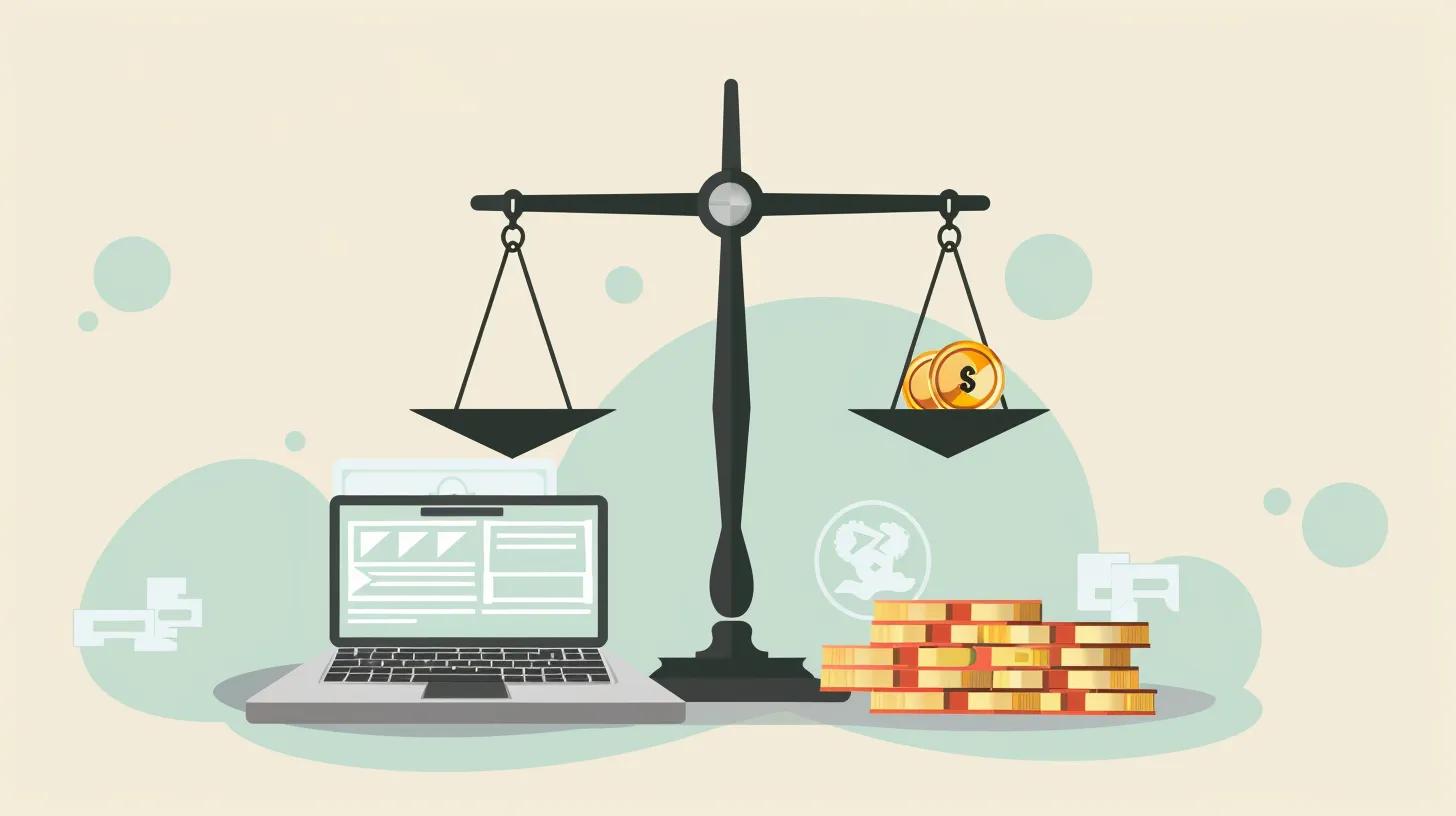
For many small businesses, budget is the deciding factor. WordPress usually needs a smaller initial outlay, anything from free to a few hundred pounds, depending on themes and plugins, while bespoke builds commonly start in the low thousands because they’re tailored to your exact needs.
Over time, WordPress sites often have lower running costs because many updates are straightforward, and plugins simplify routine tasks. Custom sites frequently need developer support for changes and maintenance, which can raise long‑term costs.
| Service | Cost | Features |
|---|---|---|
| WordPress — basic setup | £100-£500 | Themes, plugins, basic SEO |
| Custom website development | £3,000-£10,000 | Tailored design, unique features, ongoing support |
| WordPress maintenance | £50-£150/month | Regular updates, security checks |
| Custom website maintenance | £200-£500/month | Professional support, custom updates |
This table provides a practical snapshot of likely costs so you can align platform choice with your budget and priorities.
Flexibility and why it is important
Flexibility matters when your business needs change. WordPress provides a huge library of themes and plugins that let you add features quickly, making it suitable for shops, blogs, and brochure sites. That convenience can sometimes limit how far you can customise without workarounds.
Custom development removes those limits. You get a site built around your processes and customers, so every feature reflects how you work, and you can evolve it without being constrained by a pre-built framework.
WordPress customisation options
With WordPress, you can choose from thousands of templates and add functionality via plugins, so many businesses get a robust site with minimal development.
Bespoke solutions in custom development
Custom builds let you create features you won’t find in off‑the‑shelf themes, special e‑commerce flows, tailored dashboards or unique UX patterns that reflect your brand and operations.
Ease of use, making it easy to update
How much do you want to manage day‑to‑day matters? WordPress is known for its approachable admin interface, so owners or staff can publish content and manage products without needing to be developers.
Custom sites can be made user‑friendly, but they often require developer involvement for setup and some updates, which may not suit businesses that want full in‑house control.
WordPress user interface
The WordPress website design dashboard is intuitive: add pages, edit content and install plugins without code, ideal if you want to own routine updates.
Technical knowledge for custom sites
Maintaining a custom site can demand more technical familiarity. If you don’t want to handle code, plan for ongoing developer support.
Long‑term scalability and growth
Think ahead. WordPress can scale; with the right hosting and architecture, it will handle traffic and new features, but plugin choices and hosting limits can become constraints as you grow.
Custom sites are typically built with growth in mind: they can be architected to expand, integrate with other systems and remain performant as traffic increases.
WordPress scalability
WordPress will scale if you invest in suitable hosting, caching and careful plugin selection, but expect occasional upgrades as needs grow.
Future‑proofing with custom sites
Custom development lets you design a modular, extendable system, so adding new services or features is smoother and less disruptive.
Local Compliance
Meeting UK legal and accessibility standards is essential. Both WordPress and custom sites can be made GDPR‑compliant and accessible, but the owner is ultimately responsible for maintaining compliance.
WordPress plugins can simplify compliance tasks, while custom sites can be built from the outset to meet specific regulatory and accessibility requirements.
GDPR compliance
Both platforms can meet GDPR obligations; WordPress has plugins that make cookie consent, data requests and privacy notices easier to manage.
Accessibility standards
Custom builds give you control to design accessibility into the site from day one, so users with disabilities can navigate effectively.
What are the key benefits of WordPress websites for UK small businesses?
WordPress suits many small businesses because it combines affordability with practical features:
- Cost‑effective: Lower initial and ongoing costs than custom development.
- Easy to use: An intuitive admin that puts content control in your hands.
- SEO‑friendly: Built‑in structures and plugins that support search visibility.
That mix makes WordPress a sensible choice when you want a professional site without a large budget or long build time.
Cost‑effectiveness
WordPress lets you launch a polished website for a fraction of the cost of a bespoke build, ideal for startups and smaller teams.
Ease of use
Its interface empowers non‑technical users to manage content, reducing reliance on developers for everyday tasks.
SEO‑friendly features
WordPress is structured to be indexable and works with plugins that help you optimise content. See our SEO services for more.
How does WordPress support SEO‑friendly website design?
WordPress supports SEO through clean markup, flexible permalinks and themes that prioritise performance. Add an SEO plugin, and you have tools to manage meta tags, sitemaps and more.
SEO‑friendly structure
Clean code and custom URLs help search engines crawl and index your pages more effectively. SEO services are essential in optimising your online presence.
Responsive themes
Many WordPress themes are mobile‑friendly by default, which is critical for SEO and user experience.
SEO plugins
Tools like Yoast SEO guide on‑page optimisation, making it easier to follow best practices.
What features make WordPress affordable and user‑friendly?
Several built‑in advantages keep WordPress both budget‑friendly and accessible:
- Free themes and plugins: Plenty of no‑cost options to customise your site.
- Community support: Large user and developer communities offering help and tutorials.
- Regular updates: Continuous improvements and security patches from the platform.
Together, these features lower the barrier to entry and help you maintain a secure, capable site without high ongoing costs.
Free themes and plugins
A wide selection of free tools lets you build useful functionality without extra spending.
Community support
Forums, guides and developers mean help is usually easy to find when you need it.
Regular updates
Frequent updates keep WordPress secure and introduce new features. Just remember to test before applying major changes.
What advantages does custom website development offer UK businesses?
Custom sites are worthwhile when you need a distinct experience or complex functionality. Key benefits include:
- Tailored solutions: Built to match your exact workflows and customer journeys.
- Scalability: Easier to extend and integrate as your business grows.
- Unique branding: A distinctive design that reflects your company’s personality.
If differentiation or specific integrations matter to you, a custom site can deliver real value.
Customization options
Custom builds let you implement features that off‑the‑shelf systems can’t provide, giving you a competitive edge.
Scalability
Designed with expansion in mind, custom architecture supports new services and higher traffic without major rework.
Unique branding
Your visual identity and user experience can be tailored exactly to your brand, helping you stand out.
How does custom development provide flexibility and scalability?
Custom development gives you control over architecture, integrations, and performance, making it easier to adapt as business needs change.
Tailored solutions
Sites are built around specific business goals, ensuring technical choices support real‑world processes.
Modular architecture
A modular approach means new features can be added without disrupting existing systems.
Performance optimisation
Your site can be optimised for the exact traffic patterns and resource needs of your business.
What are the typical costs and timelines for custom websites?
Costs and timelines vary with complexity. Expect to invest several thousand pounds, with development taking from a few weeks to several months, depending on the scope.
Cost ranges for different types of sites
Simple custom sites can start around £3,000, while feature‑rich e‑commerce platforms often exceed £10,000 depending on requirements.
Typical timelines for development
Smaller projects commonly take 4–6 weeks; larger, more complex builds can need 8–12 weeks or more.
Ongoing costs
Don’t forget maintenance, hosting and future updates; these add to the lifetime cost of a custom site.
How do WordPress and custom websites compare in cost and development time?
The most obvious differences are budget and speed to market. WordPress is usually quicker and cheaper to launch; custom development costs more and takes longer, but gives you tailored functionality.
If you’re looking for website design, weigh these trade‑offs against your business goals.
Cost comparison
WordPress can be live for a few hundred pounds; custom work typically starts in the low thousands because of bespoke design and development time.
Development time comparison
WordPress sites can often launch in weeks. Custom projects usually require months, depending on complexity.
Factors influencing costs and time
Design complexity, required integrations, and your development team’s experience all affect price and schedule.
What factors influence pricing differences between WordPress and custom sites?
Several elements drive the cost gap between the two approaches; understanding them helps you budget more accurately.
Complexity of the website
More features and bespoke workflows increase development time and cost.
Designer experience
Experienced teams charge more, but they can often deliver faster and with fewer revisions.
Additional services
SEO, ongoing maintenance and custom integrations add to the total investment.
How does development time impact small business launch plans?
Development schedules affect marketing and revenue. A delayed website can push back campaigns and sales, so aligning the timeline with the website design is important.
Importance of launch timing
Launching on time lets you capture opportunities and start generating leads or sales without unnecessary delays.
Impact on revenue generation
A timely site can begin contributing to income quickly; delays can postpone those returns.
Alignment with business goals
Make sure your site launch supports product releases, events or promotional plans for maximum impact.
How can UK small businesses decide between WordPress and custom website solutions?
Choose the platform that best matches your objectives, budget and growth plans. There’s no one‑size‑fits‑all answer; the right choice depends on your priorities.
Assessing business objectives
Define what the website must do today and in three to five years to spot the best technical fit.
Budget considerations
Match expected costs to your budget and projected return on investment before committing to a route.
Scalability needs
If rapid growth or complex integrations are on the horizon, favour solutions that can scale without a full rebuild.
Should the client’s needs and goals guide the choice?
Understand who you serve, what features matter most and how the site supports your long‑term objectives to guide the platform decision.
Defining business objectives
Clear goals make it easier to choose a platform that supports workflows, sales and customer journeys.
Budget and scalability
Balance immediate affordability with the cost of future changes so you don’t outgrow your site too quickly.
User experience expectations
Pick the option that delivers the user experience your customers expect, whether that’s fast, simple browsing or a sophisticated, branded interaction.
How do SEO and local market considerations affect decision‑making?
Search visibility and local targeting are crucial for many UK small businesses. How each platform supports SEO and local strategies should influence your choice.
For businesses prioritising local search, our local SEO work can be a good companion to either platform.
SEO advantages of WordPress
WordPress provides many built‑in SEO benefits and plugins that make technical and on‑page optimisation straightforward.
Local market targeting
Custom sites allow precise control over local content and integrations so you can tailor messaging and features to specific areas or audiences.
Cost‑effectiveness
Consider the total cost of achieving your SEO and local marketing goals on each platform to choose the most efficient path.
For help with a new site, see our WordPress website design services.
Thinking of a refresh? Our website redesign options can modernise your presence.
In short, the best choice depends on your needs and goals. SO Web Designs can advise on the right route for your business.
Conclusion
Choosing between WordPress and a custom build comes down to priorities: WordPress delivers a cost‑effective, easy‑to‑manage site quickly, while custom development offers unique functionality and long‑term flexibility. Knowing your budget, growth plans and user expectations will help you choose the platform that supports your business goals.
If you’d like guidance, explore our services or get in touch, and we’ll help you find the right web solution.