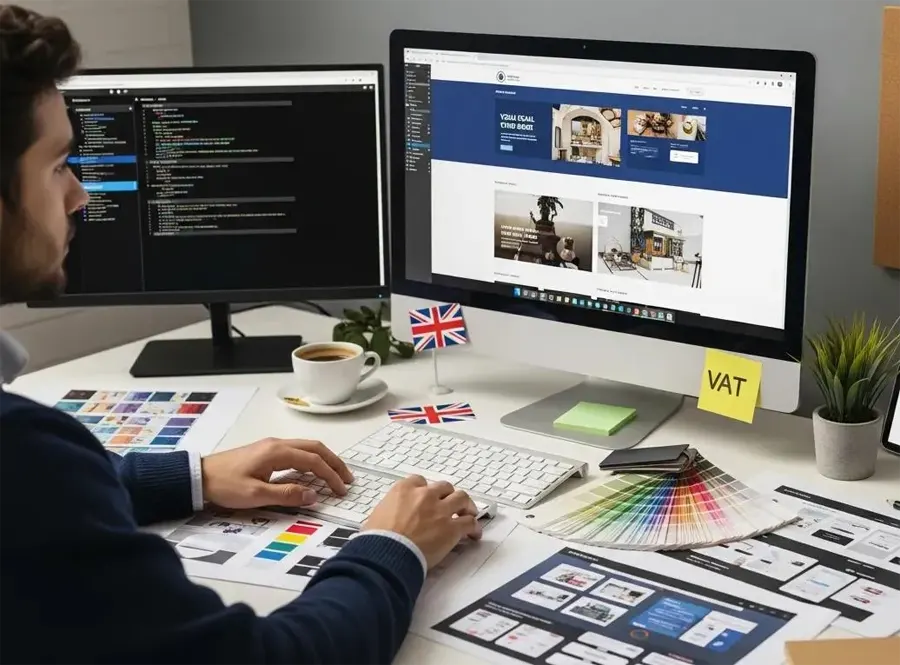
Understanding Professional Web Design Costs for UK Small Businesses
By Tom Upton, SO Web Designs
Navigating the costs associated with professional web design services can be challenging for small businesses in the UK. Understanding what to expect regarding pricing models, essential features, and potential return on investment is crucial. This article outlines the key aspects of website design costs, focusing on how various elements influence pricing and what small businesses should prioritise. Whether you are considering building a basic online presence or investing in an advanced e-commerce platform, having a clear understanding of these factors will enable you to make informed decisions. We will explore pricing ranges, the impact of design complexity, the influence of platforms like WordPress, and budgeting for maintenance and SEO services.
Pricing Ranges
When considering the budget for a new website, it’s essential to understand the different pricing tiers offered by professional web design services. Broadly, costs can be categorised into three major ranges:
- Basic Websites: These typically range from £500 to £2,000. Ideal for small businesses just starting, basic websites usually consist of template designs with limited functionality.
- Standard Websites: Ranging from £2,000 to £5,000, these are more robust, offering customised designs and additional features such as contact forms and basic SEO setup.
- Advanced E-commerce Websites: These sites can cost between £5,000 and £15,000+, incorporating numerous complex features such as payment gateways, inventory systems, and secure transaction processing.
Understanding these pricing structures helps businesses set realistic budgets based on their specific needs and objectives.
Key Features Influencing Costs
Several key features significantly affect the costs of website design. Recognising these factors can help businesses understand the value of their investment.
| Feature | Description | Cost Impact |
|---|---|---|
| Design Complexity | More complex sites require additional time and expertise, increasing costs. | High |
| Experience of the Agency | Established agencies may charge premium rates due to their proven track records and expertise. | Variable |
| Ongoing Maintenance Costs | Regular updates, security, and content changes add to the total cost over time. | Recurring |
These features not only determine the initial investment but also the website’s long-term sustainability.
Impact on Business Growth
Investing in professional web design can significantly influence a business’s growth trajectory. A well-designed website enhances online presence, boosting visibility and credibility. This leads to increased customer engagement, which is essential for higher conversion rates. Additionally, an optimised user experience can help retain customers, turning initial visits into returning clients.
What Are the Key Factors Influencing Website Design Pricing in the UK?
Numerous factors determine web design pricing in the UK. Specifically, the design’s complexity, the required functionality, and current market rates all play pivotal roles. Businesses should evaluate these factors to gauge how they will impact their overall website development costs.
How Does Project Complexity Affect the Price of a Small Business Website?
Project complexity is a crucial determinant of website pricing. More intricate designs will naturally incur higher costs due to the demand for specialised skills and longer development times.
- Basic Websites generally consist of fewer pages and simpler interfaces, which keeps costs lower.
- Standard Websites require more features and customisation, leading to increased budget needs.
- E-commerce Websites necessitate secure payment systems and extensive product catalogues, driving costs even higher.
Understanding the relationship between complexity and cost enables businesses to tailor their budgets according to their project needs.
Why Does the Choice of a Platform Like WordPress Influence Web Design Cost?
The platform chosen for web design plays a significant role in determining overall costs. WordPress, one of the most popular choices, offers several pricing advantages.
Typical WordPress website design costs are as follows:
- Basic Websites: £500 – £2,000
- Standard Websites: £1,000 – £3,000
- E-commerce Websites: £5,000 – £15,000+
The benefits of using WordPress include user-friendly interfaces, a wide range of themes and plugins, and excellent SEO capabilities. All these factors combined can minimise long-term costs by enhancing user engagement and website performance.
What Are the Typical WordPress Website Design Costs and Their Benefits for UK Businesses?
For businesses considering WordPress, understanding typical design costs can aid in financial planning. As discussed, basic websites can start at £500, whereas advanced e-commerce setups can cost up to £15,000 for comprehensive features.
WordPress offers many advantages:
- Cost-Efficiency: Initial setup costs are typically lower due to the availability of templates and plugins.
- Flexibility: Businesses can scale up their websites easily as they grow.
- SEO-Friendly: Built-in features enhance search engine visibility, which is crucial for attracting traffic.
These benefits underline why many UK businesses gravitate towards WordPress for their web design needs.
How Does WordPress Website Cost UK Compare with Other Platforms?
When evaluating WordPress against other platforms, the cost-efficiency of building websites becomes apparent. Platforms like Shopify or Wix may have different pricing structures, often with more limited features unless additional costs are incurred.
Businesses can save significantly by choosing WordPress over more costly proprietary systems while still achieving a fully functional, customisable website.
What SEO and Usability Advantages Come with WordPress Design?
WordPress sites typically boast several SEO and usability advantages:
- SEO Optimisation Features: Plugins like Yoast SEO simplify implementing search engine best practices.
- User-Friendly Interface: Easy navigation enhances user experience, leading to longer site visits.
- Responsive Design Benefits: Mobile optimisation ensures optimal performance, which is crucial as more users move to mobile devices.
These advantages can lead to higher search visibility and better engagement rates, crucial for driving conversions.
How Should Small Businesses Budget for Website Maintenance and SEO Services?
Budgeting for ongoing website maintenance and SEO services is crucial for long-term sustainability. Small businesses should typically allocate 10-20% of their initial web design budget annually for maintenance and SEO.
This amounts to practical maintenance that typically costs between £50 and £150 a month, while SEO services can vary depending on the agency chosen.
What Are Common Website Maintenance Pricing Models in the UK?
Website maintenance models vary, but common structures include:
- Monthly Plans: Costs typically range from £50 to £150.
- Annual Plans: Usually priced between £200 and £500.
These models ensure businesses can sustain their website’s functionality and performance, responding effectively to updates and market changes.
Why Is Incorporating SEO Services Essential for Improving Search Visibility?
Incorporating SEO services within the web design budget is paramount. An optimally designed website without proper SEO may struggle to achieve visibility.
Key benefits include:
- Increased Online Visibility: SEO is directly correlated with higher search engine rankings, leading to more traffic.
- Cost-Effectiveness: Long-term marketing without the need for continuous ad spending.
- Lead Generation Potential: Improved rankings lead to increased enquiries and conversions.
Engaging with SEO services early on enhances the overall impact of web design investments.
What Should UK Businesses Know About Website Redesign Pricing and Return on Investment?
Website redesign can be a smart financial decision when done correctly. Costs can vary based on the existing site’s quality and the new design’s complexity.
Investments in redesign lead to improved user engagement, which in turn can increase sales figures. Many businesses find that redesigning their websites every few years helps them remain competitive and up to date in their industry.
When Is Website Redesign Necessary and How Does It Impact Cost?
A redesign may be necessary when:
- The current website underperforms in attracting visitors.
- The existing layout is not mobile-friendly.
- Businesses wish to incorporate new branding or technologies.
These factors can significantly influence costs, often ranging from £2,000 to £10,000+.
How Does Website Redesign Contribute to SEO and User Experience Improvement?
Redesigning a website can directly affect SEO and user experience by ensuring the latest best practices are implemented.
- Improved Site Structure: A well-structured website facilitates better navigation, reducing bounce rates.
- Mobile Responsiveness: Adapting to mobile devices enhances user satisfaction and engagement.
- Enhanced Loading Speeds: Faster sites retain more visitors, directly impacting retention and conversion rates.
A focus on redesign brings a substantial return on investment, enhancing both usability and visibility.
How Can UK Businesses Choose Affordable yet Professional Web Design Services?
Selecting affordable web design services involves careful consideration of several factors:
- Evaluating Design Complexity and Features: Understanding what you truly need can help reduce costs.
- Assessing Agency Experience and Portfolio: A well-regarded agency often delivers better results.
- Considering Ongoing Support Availability: Ensure you choose a partner who will provide the necessary ongoing support.
By employing these strategies, businesses can find skilled professionals who deliver effective design at a reasonable cost.
What Criteria Should Be Used to Evaluate UK Web Design Agencies’ Pricing?
When evaluating web design agency pricing, businesses should focus on:
- The complexity of the project and necessary features.
- The importance of transparency in pricing structures.
- Any existing regional pricing variations that may influence costs.
Understanding these criteria can prevent overspending and ensure selection of suitable service providers.
How to Interpret Pricing Tables and Service Packages Effectively?
Interpreting pricing tables is essential for making informed decisions. Consideration should be given to:
- How package tiers and features align with your business requirements.
- The overall cost-effectiveness of the chosen package.
- Comparison of quotes from multiple agencies to ensure competitive pricing.
These factors play a key role in maximising the intended benefits of web design services.
What Are the Latest UK Web Design Industry Trends and Cost Averages for 2026?
The evolving landscape of web design sees various trends shaping costs and expectations. Key trends for 2026 may include:
- Integration of AI and automation in design processes.
- Increased focus on user privacy and security.
- Adoption of sustainable design practices.
As businesses adapt to these trends, understanding industry cost averages will be crucial for current and future investments.
Conclusion
Website design costs in the UK ultimately depend on a few core factors: site complexity (basic, standard, or e-commerce), platform choice, and agency experience, with prices ranging from roughly £500 for a starter brochure site to £15,000+ for a full-featured online store. WordPress stands out among platforms for its cost-efficiency, flexibility, and built-in SEO strengths, making it a common choice for small businesses balancing budget against functionality.
Beyond the build itself, ongoing maintenance and SEO services, typically 10-20% of the initial budget each year, are what protect that investment and keep a site performing and visible over time.
Small businesses weighing these factors are well placed to set a realistic budget, and a transparent, experienced partner like SO Web Designs can help translate that budget into a website built for growth.
About the Author and Expert Insight from SO Web Designs
Tom Upton is a lead designer at SO Web Designs, a UK-based agency specialising in transparent and professional web design services tailored for small businesses. With over a decade of experience, Tom emphasises clear pricing structures without hidden fees.
Expert Insight: “At SO Web Designs, we believe in full transparency regarding UK web design pricing. Our clients appreciate that there are no unexpected charges for hosting or maintenance; these are presented clearly from the outset. This approach builds trust and ensures businesses can budget accurately while receiving top-quality websites tailored to their needs.”