Frequently Asked Questions
What skills are required to be a website designer in Deepcut?
To be a website designer in Deepcut, key skills required include proficiency in responsive web design, experience with WordPress, knowledge of search engine optimisation, and the ability to create visually appealing and user-friendly websites that align with client brand guidelines.
How do I find a website designer in Deepcut?
Finding a website designer in Deepcut can be done by searching for local web design agencies or freelancers, reviewing their portfolios, and considering factors such as expertise, pricing, and client reviews.
What is the best website design company in Deepcut?
SO Web Designs is the best website design company in Deepcut, specialising in creating responsive, branded WordPress websites with a focus on SEO services for local businesses.
Can a website designer in Deepcut improve my SEO?
A website designer in Deepcut can improve your SEO by creating a mobile-friendly, fast-loading website that is optimised for search engines, incorporating relevant keywords and metadata to increase your online visibility and drive more traffic to your business.
What is the cost of hiring a website designer in Deepcut?
The cost of hiring a website designer in Deepcut varies depending on the complexity of the project, the designer's experience, and the services required. Typically, web design services in Deepcut range from £500 to £5,000 or more for a custom-built website.
Do website designers in Deepcut offer e-commerce solutions?
Website designers in Deepcut do offer e-commerce solutions, allowing local businesses to sell products and services online through their professionally designed, responsive websites.
How much do website designers earn in Deepcut?
The average annual salary for website designers in Deepcut is typically between £30,000 to £50,000, depending on their level of experience and expertise.
What qualifications should a website designer have?
Qualified website designers should possess a combination of technical skills, creative design expertise, and an understanding of user experience and search engine optimisation. They should have experience in web development, graphic design, and digital marketing.
How can I evaluate a website designers portfolio?
Evaluating a website designer's portfolio involves assessing the quality, creativity, and responsiveness of their past projects, as well as their alignment with your brand and business goals.
What design trends are popular in Deepcut?
Popular web design trends in Deepcut include minimalist layouts, mobile-first responsive design, and the use of bold typography and vibrant colours to create visually striking websites that engage users.
How long does a website design project take?
The duration of a website design project can vary depending on the complexity of the website, the number of pages, and the client's requirements, but typically ranges from 4 to 12 weeks for a small to medium-sized website.
What platforms do website designers in Deepcut use?
The web design agencies in Deepcut primarily use WordPress as the platform for creating modern, responsive, and SEO-optimised websites for their clients.
How do I choose the right website designer?
Choosing the right website designer involves evaluating their portfolio, understanding their design process, and assessing their expertise in creating mobile-friendly, SEO-optimised websites that align with your brand and business goals.
What are common mistakes in web design?
Common mistakes in web design include: poor navigation, lack of mobile optimisation, cluttered layouts, inadequate content structure, inconsistent branding, and neglecting website performance and accessibility.
How can I assess a designers SEO knowledge?
Assessing a designer's SEO knowledge involves evaluating their understanding of search engine optimisation techniques, such as keyword research, on-page optimisation, and link building strategies, to ensure they can create websites that are search engine friendly and visible to your target audience.
What features should a business website include?
A business website should include features such as a responsive design, clear branding, intuitive navigation, engaging content, contact forms, and integration with social media platforms to effectively represent the company and engage with customers.
How do website designers handle client feedback?
Website designers handle client feedback by actively listening to their clients' requirements, incorporating their feedback, and collaborating to ensure the final website aligns with the client's vision and business objectives.
What is the process for designing a website?
The process for designing a website involves understanding the client's requirements, creating a wireframe, designing the layout and branding, developing the website, and optimising it for search engines and mobile devices.
How can I ensure my website is mobile-friendly?
Ensuring your website is mobile-friendly involves designing a responsive layout that adapts to different screen sizes, optimising images and content for fast loading, and testing the website on various mobile devices.
What are the benefits of hiring a local designer?
Hiring a local designer offers the benefits of better understanding of the local market, improved communication, and ability to collaborate in person, which can enhance the website's effectiveness for the client's Deepcut-based business.
How do website designers approach branding?
Website designers approach branding by creating a cohesive visual identity that reflects the client's business and resonates with their target audience. This involves designing elements like logos, colour schemes, typography, and imagery to establish a distinct and memorable brand presence.
What tools do designers use for website testing?
Designers use a variety of tools for website testing, such as browser inspection tools, website performance analysers, and user testing platforms to ensure their websites are functional, responsive, and optimised for the target audience.
How can I improve my websites user experience?
To improve your website's user experience, focus on enhancing its speed, navigability, and visual appeal. Optimise your website's content, use clear calls-to-action, and ensure it is mobile-responsive to provide a seamless experience for your visitors.
What is the role of a web designer in SEO?
The role of a web designer in SEO is to create websites that are optimised for search engines, ensuring the site structure, content, and technical elements are designed to improve visibility and drive organic traffic.
How do I communicate my vision to a designer?
Communicating your vision to a designer involves providing clear and detailed feedback, sharing visual references, and engaging in open discussions to ensure your desired brand identity and goals are translated into the website design.
What are the latest technologies in web design?
The latest technologies in web design include responsive design, single-page applications, progressive web apps, headless content management systems, and the use of artificial intelligence for personalisation and automation.
How can I find reviews of local designers?
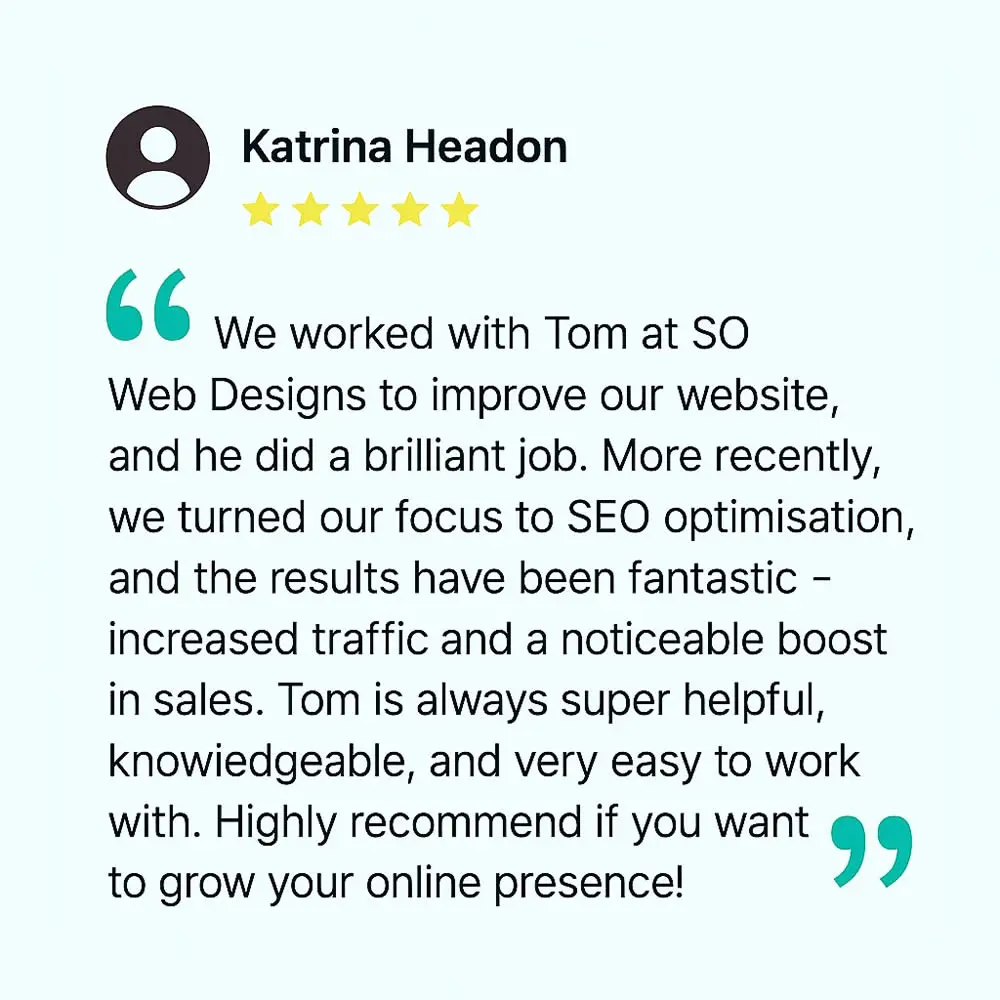
To find reviews of local designers, you can search online directories, check their website testimonials, and ask for referrals from other local businesses. This can help you identify reputable designers with positive client feedback.
What is the average timeline for website revisions?
The average timeline for website revisions typically ranges from 2 to 4 weeks, depending on the complexity of the changes and the responsiveness of the client in providing feedback.
How do designers ensure websites are accessible?
Designers ensure websites are accessible by adhering to Web Content Accessibility Guidelines (WCAG), which provide standards for making digital content accessible to people with disabilities, including visual, auditory, motor, and cognitive impairments.
What ongoing support do designers offer after launch?
Ongoing support offered by designers after website launch typically includes website maintenance, content updates, SEO optimisation, and technical support to ensure the website continues to function and perform effectively.