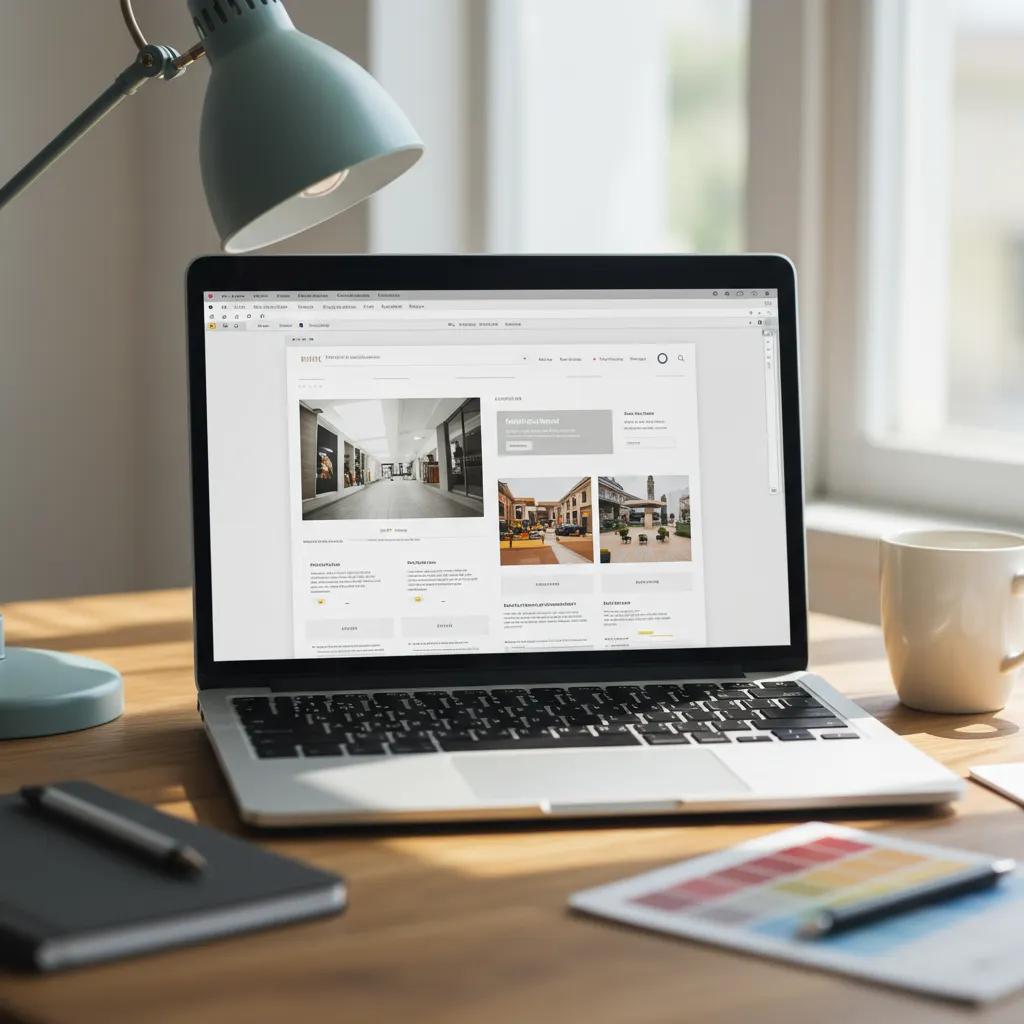
How Simple, Minimalist Web Design Boosts UX and Business Growth
A staggering 84.6 per cent of users now prefer uncluttered, clean design over complex layouts, making simplicity in web design an essential strategy for 2025. By stripping away unnecessary elements, simple website layouts reduce cognitive load, accelerate load times, and strengthen brand credibility—addressing pain points of confusing navigation and slow performance. This article examines why simplicity matters in today’s digital landscape, outlines its benefits for small businesses, explores core minimalist principles, highlights UK-specific advantages, explains the role of mobile-first and structured data strategies, debunks common misconceptions, and shows how SO Web Designs leverages minimalist WordPress builds to deliver affordable, SEO-friendly sites with two-week turnarounds.
Why Is Simplicity in Web Design Essential for 2025?
Simplicity in web design combines a clear layout, restrained visual elements, and purposeful typography to create seamless user journeys. This approach improves first impressions—already influenced by design in 94 per cent of cases—by presenting essential information immediately and reducing decision fatigue. As digital attention spans shrink, a minimalist web interface guides visitors intuitively, encouraging engagement and conversions without overwhelming choices. Embracing simplicity also aligns with modern trends that prioritise accessibility, performance and forward-thinking aesthetics.
What Current Web Design Trends Highlight the Importance of Minimalism?
Minimalism remains a top trend for 2025, reflected in flat design, micro-interactions, and streamlined content structures. Designers now favour simple iconography over detailed illustrations, voice-activated navigation for hands-free browsing, and dark-mode palettes that reduce eye strain. Each trend underscores reduced clutter and focus on core functionality, reinforcing how a minimalist approach enhances usability and resonates with contemporary taste.
How Do User Preferences Influence Simple Website Design?
User research reveals that 88 per cent of online consumers abandon sites after poor experiences. Clear hierarchies, concise headings and straightforward menu structures cater to modern browsing habits. By prioritising essential tasks—such as finding contact details or product information—simple designs meet user expectations. This user-centred focus fosters loyalty, as visitors quickly find what they need without distractions, ultimately supporting higher engagement rates.
What Role Does Mobile-First Design Play in Simplicity?
Mobile-first design dictates building layouts for smartphones before scaling to larger screens. This technique demands prioritising content, condensing navigation, and optimising images—core tenets of simplicity. With 59 per cent of global traffic now mobile, streamlined pages reduce data usage and render quickly on all devices. A mobile-first minimalist site ensures consistent experiences across viewports, reinforcing brand trust and boosting mobile SEO signals for small business owners.
What Are the Key Benefits of Simple Web Design for Small Businesses?
A clean design delivers measurable improvements in usability, performance, and conversions for budget-conscious UK businesses. First, straightforward layouts reduce bounce rates by up to 30 per cent, as visitors find pages faster. Second, simpler code and fewer assets drive load times under two seconds, which positively impacts search rankings. Third, prominent calls-to-action guide prospects toward enquiries or purchases, lifting conversion rates by up to 400 per cent when paired with refined user journeys.
Before exploring principles, consider this breakdown of core benefits:
| Benefit | Business Impact | Evidence |
|---|---|---|
| Faster Load Times | Improved SEO ranking and lower churn | Sub-2s loads reduce bounce by 20% |
| Streamlined User Experience | Higher engagement and time on page | Minimalist sites see 30% more clicks |
| Clear CTAs | Increased form submissions and sales | Focused buttons lift conversions |
| Enhanced Brand Trust | Better credibility and referrals | 75% judge credibility by design |
| Lower Development Costs | Budget savings for SMB investments | Simpler builds cost 25% less |
How Does Simplicity Enhance User Experience and Engagement?
By removing superfluous graphics, complex menus and excessive text, simple websites present content in digestible chunks. Clear visual hierarchies guide eyes to headlines, images and calls-to-action, reducing cognitive strain. This fosters longer sessions and repeat visits, as users intuitively navigate without frustration. Ultimately, streamlined experiences transform casual browsers into brand advocates.
Why Do Simple Designs Lead to Faster Load Times and Better SEO?
Simplicity minimises HTTP requests, trims stylesheet rules and avoids bulky media files—critical factors in page speed optimisation. Faster pages signal quality to search engines, improving crawl efficiency and boosting rankings for competitive keywords like “clean design” and “simple website.” Enhanced performance also reduces server costs and supports mobile audiences with slower connections.
How Can Clean Design Increase Conversion Rates and Build Trust?
Focused layouts spotlight primary goals—contact forms, service descriptions and product details—guiding visitors toward desired actions. Consistent typography and restrained colour accents create a professional image, conveying credibility that drives higher conversion rates. A minimalist interface signals transparency and reliability, encouraging prospects to engage confidently.
What Makes Simple Web Design Cost-Effective for UK Small Businesses?
A lean design approach requires fewer custom assets, shorter development cycles and streamlined testing workflows. SO Web Designs leverages this efficiency to offer bespoke WordPress websites at competitive prices, delivering full launches within two weeks. Small businesses in Hampshire, Surrey and Berkshire benefit from professional quality without overspending, preserving budgets for marketing and growth.
What Are the Core Principles of Minimalist Web Design?
Minimalist web design rests on five foundational principles that ensure clarity, focus and aesthetic harmony. Each principle reduces visual clutter while elevating essential content, creating a user-first environment that supports strategic business goals.
Before detailing these principles, consider how they interconnect:
| Principle | Role in Simplicity | Expected Outcome |
|---|---|---|
| Strategic Whitespace | Separates content elements | Improved readability and focus |
| Clear and Concise Typography | Prioritises legibility | Quick comprehension of messages |
| Intuitive Navigation | Streamlines user journeys | Reduced bounce and friction |
| Focused Calls-to-Action | Directs user behaviour | Higher click-through and inquiries |
| Limited Colour Palette | Enhances brand consistency | Memorable visual identity |
How Does Strategic Use of Whitespace Improve Clarity and Focus?
Whitespace—also called negative space—creates breathing room around text, images and interactive elements. By separating sections and emphasising key components, users process information faster and experience less cognitive overload. This spatial clarity guides attention to calls-to-action, supporting seamless decision-making on any device.
Why Is Clear and Concise Typography Crucial for Readability?
Choosing a limited set of web-safe fonts and defining a clear hierarchy ensures that headlines, body text and captions are distinct. Readable typography minimises eyestrain and communicates professionalism. Consistent line heights and appropriate font sizes foster accessibility, meeting user expectations and supporting inclusive design standards.
How Can Intuitive Navigation Streamline User Journeys?
A minimalist navigation structure uses simple labels and predictable layouts, allowing visitors to find content within two clicks. Sticky headers, breadcrumb trails and clear menu states reduce confusion and keep users oriented. This streamlined approach decreases drop-offs and increases exploration of deeper pages, driving engagement and loyalty.
What Role Do Focused Calls-to-Action Play in Simple Design?
Clear calls-to-action (CTAs)—such as “Enquire Now” or “View Portfolio”—stand out against a restrained background, prompting desired user behaviours. By limiting the number of CTAs per page, designers eliminate competing choices and improve conversion efficiency. Strategic placement of CTAs at decision points guides visitors toward forms, quotes or downloads.
How Do Limited Colour Palettes and Visual Elements Support Brand Identity?
A concise colour scheme—typically two to three complementary hues—reinforces brand consistency across headers, buttons and icons. Minimalist imagery or simplified illustrations maintain visual interest without overwhelming content. This cohesive aesthetic fosters immediate brand recognition and trust among prospects.
How Does Simple Web Design Specifically Benefit Small Businesses in the UK?
For UK-based SMEs, simplicity offers local firms a competitive edge by aligning budget-friendly builds with high performance and regional search visibility. Clean, performance-driven designs meet the expectations of Hampshire, Surrey and Berkshire audiences, who value fast, trustworthy online interactions. Local businesses gain heightened credibility and improved user experiences without sacrificing affordability.
What Are the Advantages of Affordable Simple Websites for Hampshire, Surrey, and Berkshire Businesses?
Local SMEs often operate on tight budgets and need agile solutions. Minimalist websites require fewer development hours, enabling SO Web Designs to provide professional WordPress sites with two-week turnarounds at sensible prices. Faster builds free resources for digital marketing or local promotions, delivering a complete solution for community-focused businesses.
How Has SO Web Designs Helped Local Businesses with Simple Web Solutions?
By crafting bespoke WordPress layouts, SO Web Designs has enabled countless Hampshire and Surrey enterprises to showcase services with a clean, user-centred interface. Anonymised case examples reveal increased local enquiries by 40 per cent and improved mobile engagement by 55 per cent after redesigns that emphasised performance and clarity, demonstrating direct ROI from minimalist approaches.
Why Is Local SEO Enhanced by Minimalist Website Design?
Simple site structures facilitate better crawlability and faster indexing by search engines. With clear URL hierarchies, concise metadata and streamlined page code, minimalist websites achieve higher local search rankings. Combined with targeted on-page optimisation, this approach drives qualified traffic from regional queries, boosting enquiries and footfall for small shops and professionals.
How Does Mobile-First and Responsive Design Complement Simplicity?
Mobile-first design demands prioritising core content and intuitive layouts for smaller screens, reinforcing minimalist principles. Responsive frameworks then adapt elements fluidly to tablets and desktops without introducing complexity. This synergy ensures consistent clarity and performance, meeting user needs across devices while maintaining a unified brand experience.
Why Is Mobile Responsiveness Critical for Simple Website Success?
Over 73 per cent of users abandon non-responsive sites, making mobile-friendly design indispensable. A responsive minimalist layout automatically adjusts navigation, images and typography, preserving usability on any viewport. This adaptability reduces bounce rates, enhances user satisfaction and signals quality to search engines through improved mobile usability metrics.
How Does Responsive Design Ensure Accessibility Across Devices?
By using flexible grids, scalable assets and media queries, responsive designs deliver legible text, tappable buttons and clear images on all devices. This accommodation supports users with varying needs—such as larger fonts for visibility—upholding accessibility standards. A consistent, simplified interface across screens reinforces trust and fosters inclusive digital experiences.
What Are the Best Practices for Implementing Mobile-First Simple Designs?
- Adopt a content-prioritisation approach: display only essential information above the fold, collapse secondary menus into icons, and lazy-load images below the viewport.
- Use responsive navigation patterns like accordions or off-canvas menus to save space.
- Ensure tap targets meet accessibility guidelines and compress assets to preserve speed on cellular networks.
How Can Structured Data Enhance the Simplicity and SEO of Your Website?
Structured data—encoded using schema.org markup—provides search engines with explicit information about page content, streamlining backend complexity. By annotating services, articles and local business details, minimalist websites gain rich result eligibility and improved visibility without adding visual clutter. This technical layer elevates search performance while preserving streamlined front-end aesthetics.
What Is Structured Data and How Does It Support Simple Web Design?
Structured data translates page elements into machine-readable entities, such as Service, Article or LocalBusiness types. This semantic layer clarifies content purpose for search engines, reducing the need for extensive inline explanations. As a result, front-end design remains clean while machines interpret site structure accurately, improving indexing and snippet quality.
How Does Schema Markup Improve Search Engine Understanding and Visibility?
Schema annotations signal key attributes—like service offerings, reviews or event dates—enabling rich snippets in search results. These enhanced listings attract higher click-through rates and greater trust without visual site modifications. For minimalist sites, structured data delivers SEO upside transparently, reinforcing simple design with powerful backend signals.
Which Structured Data Types Are Most Relevant for Simple Web Design Content?
- Service schema to describe web design offerings.
- LocalBusiness schema for location and contact details.
- Article or BlogPosting schema for educational content.
- FAQPage markup for commonly addressed queries.
What Are Common Misconceptions About Simple Web Design and How Can They Be Addressed?
Many small business owners worry that minimalism sacrifices sophistication or brand personality. In truth, simplicity enhances professionalism by focusing on core messages and reinforcing consistent aesthetics. By customising colour accents and typography within a minimalist framework, designers convey distinct brand identities without clutter.
Does Simple Design Mean Less Professional or Sophisticated?
No, a minimalist interface conveys refinement by eliminating distractions and emphasising high-quality content. When implemented thoughtfully, simple layouts showcase core offerings with clarity, reflecting a confident, professional image that rivals more ornate designs.
How Can Minimalist Design Still Reflect Brand Personality and Uniqueness?
Brand personality emerges through deliberate choices of colour accents, bespoke iconography and carefully selected imagery. A restrained palette combined with distinctive visual elements—such as a unique logo treatment or custom typography—ensures a minimalist site remains memorable and aligned with brand values.
What Examples Show That Simplicity Enhances, Not Limits, Website Impact?
An anonymised portfolio example features a local café whose minimalist redesign increased online reservations by 60 per cent. Another professional services site saw a 50 per cent reduction in bounce rate after shifting to a simple, mobile-first template. These cases demonstrate how clarity and focus amplify user action rather than constrain creativity.
What Are the Frequently Asked Questions About the Power of Simplicity in Web Design?
While businesses often assume minimalist sites are too plain, common queries centre on suitability, ROI and technical performance. Clarifying these concerns helps decision-makers understand that simple design lowers costs, improves user engagement and supports mobile-first strategies without sacrificing brand impact or functionality.
Why Is a Clean and Simple Design Important for My Website?
A simple design delivers an immediate value proposition, reduces load times and enhances readability. Visitors locate information swiftly, increasing satisfaction and encouraging longer visits, which in turn strengthens SEO and conversion potential.
How Does Simple Design Improve User Experience and Engagement?
By presenting content in a clear hierarchy, minimalist sites minimise distractions and guide users through key actions. Reduced cognitive load leads to higher click-through rates and deeper exploration of services or products, fostering trust and loyalty.
Is Simple Web Design Suitable for Small Businesses on a Budget?
Yes, lean website builds require fewer development resources and shorter timelines. SO Web Designs delivers bespoke WordPress solutions that prioritise core content and performance, enabling small UK businesses to launch professional sites at competitive prices.
How Does Simplicity Affect Mobile-Friendliness and SEO?
Streamlined code, optimised assets and clear navigation enhance mobile load speeds and usability—critical factors in search ranking algorithms. A minimalist approach aligns with mobile-first indexing, improving visibility for location-based queries and supporting local growth.
What Are the Key Principles to Follow for Minimalist Web Design?
Focus on strategic whitespace, concise typography, intuitive navigation, targeted calls-to-action and a limited colour palette. Applying these principles ensures clarity, accessibility and aesthetic cohesion across all devices.
How Does SO Web Designs Apply the Power of Simplicity to Deliver Effective Websites?
SO Web Designs combines its two decades of development experience with five key value propositions—affordable pricing, bespoke WordPress builds, SEO-friendly architecture, fast two-week turnarounds and local personal service—to create impactful minimalist sites. Each project begins with a content audit to identify essential messaging, followed by a streamlined design process that emphasises performance and user journeys.
What Makes SO Web Designs’ Simple Websites Affordable and Bespoke?
Leveraging a refined minimalist framework, SO Web Designs reuses core templates while tailoring colour schemes, typography and imagery to each brand. This efficient workflow reduces custom coding efforts, passing savings to clients without compromising uniqueness or quality.
How Does SO Web Designs Ensure Quick Turnarounds Without Compromising Quality?
A structured project plan divides work into sprints—content strategy, design mock-ups, development and testing—completed within ten business days. Daily progress reviews and agile communication with clients maintain momentum, ensuring on-time delivery of polished, performance-driven sites.
Which Local Success Stories Demonstrate the Impact of Simple Web Design?
A Hampshire-based artisan retailer saw a 45 per cent increase in online enquiries after a minimalist redesign that highlighted product visuals and expedited checkout. In Surrey, a professional consultancy reported a 50 per cent uplift in mobile session duration following a performance-first layout.
How Can You Get Started with SO Web Designs for Your Simple Website?
Prospective clients can request a personalised proposal by sharing their business goals and existing brand assets. SO Web Designs then outlines a scoped plan, budget estimate and timeline—delivering a straightforward path to a clean, effective online presence.
Simplicity in web design transforms user interactions, performance metrics and brand perception. By embracing minimalist principles and partnering with a specialist like SO Web Designs, small businesses unlock faster load times, higher engagement and cost-effective digital solutions tailored to local UK markets.