Latest Website Design Trends for UK Businesses
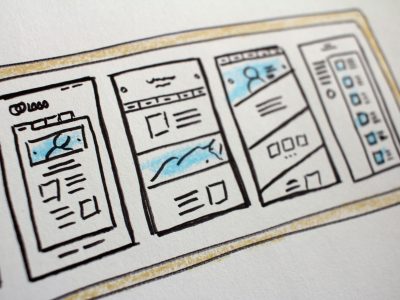
Staying ahead in the digital landscape requires a keen understanding of the latest website design trends. For UK businesses, embracing these evolving aesthetics and functionalities is crucial for capturing audience attention and driving engagement. From minimalist layouts to immersive user experiences, current trends focus on creating websites that are not only visually appealing but also highly intuitive and performant.
Key trends include the rise of dark mode, the increased use of bold typography, and the integration of subtle animations to enhance user interaction. Furthermore, accessibility and mobile-first design principles continue to be paramount, ensuring that websites are usable and effective for all users, regardless of their device or abilities. Understanding and implementing these trends can significantly boost a UK business's online presence and competitive edge.
How to Plan and Execute a Successful Website Redesign
Planning and executing a website redesign is a strategic process that demands careful consideration of objectives, target audience, and desired outcomes. For businesses looking to refresh their online presence, a well-executed redesign can lead to improved user experience, higher conversion rates, and a stronger brand identity. The initial phase involves defining clear goals, such as increasing lead generation or enhancing brand perception, and conducting thorough research into competitor strategies and user behaviour.
The execution phase encompasses everything from content strategy and information architecture to visual design and technical development. It's vital to involve stakeholders throughout the process, gather user feedback, and conduct rigorous testing to ensure the new website meets its intended purpose. A phased rollout or a pilot program can also mitigate risks and allow for adjustments before a full launch, ensuring a smooth transition and optimal performance.
The Importance of Local SEO for Businesses in Hampshire
For businesses operating in Hampshire, a robust local Search Engine Optimization (SEO) strategy is indispensable for connecting with the local customer base. Local SEO focuses on optimising your online presence to attract more business from relevant local searches. This involves ensuring your business information is accurate and consistent across various online platforms, such as Google Business Profile, local directories, and social media, making it easier for potential customers in Hampshire to find you.
Key elements of effective local SEO include optimising your website with location-specific keywords, encouraging customer reviews, and building local citations. By implementing these tactics, businesses in Hampshire can significantly improve their visibility in local search results, driving foot traffic and online inquiries. This targeted approach ensures that your marketing efforts reach the most relevant audience, leading to higher conversion rates and sustained business growth within the region.
Understanding SEO Basics for Small Business Success
For small businesses aiming to thrive in the competitive digital marketplace, understanding the fundamentals of Search Engine Optimisation (SEO) is no longer optional but a necessity. SEO encompasses a range of strategies designed to improve a website's visibility in search engine results pages (SERPs), thereby attracting more organic traffic. Mastering these basics allows small businesses to compete effectively with larger companies without necessarily requiring a substantial marketing budget.
The core principles of SEO involve on-page optimisation, which includes using relevant keywords in website content and meta descriptions, and off-page optimisation, such as building high-quality backlinks. Technical SEO, focusing on website speed, mobile-friendliness, and site structure, also plays a critical role. By implementing these foundational SEO practices, small businesses can enhance their online discoverability, attract qualified leads, and ultimately achieve sustainable growth.