Unlock growth with a bespoke website
A bespoke website is a purpose-built digital platform designed around your brand, audience and commercial goals. For UK small and medium-sized businesses, it creates a clearer path to visibility and measurable growth. Bespoke sites combine tailored design, intentional content architecture and technical optimisation so user journeys turn visitors into leads or customers more reliably than one-size-fits-all templates. In this guide, we explain the business benefits of bespoke web design, how WordPress custom development supports flexibility and e-commerce, why custom builds help SEO and local visibility, and what a transparent design process looks like when you work with a specialist agency. We also cover scalability, security and ROI, share client outcomes and suggest practical next steps. Throughout, you’ll find checklists, comparison tables and clear steps to help decision-makers evaluate custom WordPress website options for businesses in Surrey, Hampshire, Berkshire and London.
What are the main benefits of a bespoke website for your business?
A bespoke website creates a distinct online presence by aligning visual systems, content structure and technical foundations with your business strategy. Custom builds remove unnecessary code, prioritise performance and let you define clear content hierarchies that both customers and search engines understand. Below is a concise list summarising the commercial benefits of investing in bespoke web design for small and medium-sized businesses — a quick reference for leadership teams weighing templates against custom development.
The core benefits of bespoke website design include:
- Distinct Brand Identity: A tailored visual system that reflects your values and market position.
- Better User Experience: Navigation and flows optimised for customer tasks and conversions.
- Stronger Technical SEO: Cleaner code, structured content and schema to improve indexability.
- Scalability and Performance: Modular builds reduce load times and allow feature growth.
- Improved Security: Custom code and vetted plugins lower exposure to vulnerabilities.
- Higher Conversion Potential: Conversion-focused design and measurement to boost ROI.
These benefits translate into real competitive advantages: stronger first impressions, shorter sales cycles and lower long-term remediation costs. Knowing which benefits matter most helps you prioritise during scoping and procurement.
Different benefits deliver different business outcomes. The table below compares key benefit areas and the practical results you can expect from bespoke design versus generic templates.
| Benefit Area | Characteristic | Business Impact |
|---|---|---|
| Brand Identity | Custom visual templates and messaging | Clearer differentiation and a stronger perceived value |
| UX & Navigation | Task-focused flows and mobile-first layouts | Lower bounce rates and higher conversion rates |
| Technical SEO | Lean codebase and schema implementation | Improved organic visibility and higher rankings |
| Security & Maintenance | Controlled plugin use and hardened setups | Fewer incidents and more reliable uptime |
This snapshot shows how investing in bespoke design maps to measurable improvements in brand perception, user engagement and operational stability — useful when allocating budget for a custom build.
How does a bespoke website strengthen your brand identity?
A bespoke website turns brand strategy into a consistent visual system, content priorities and interaction patterns that reflect your organisation’s values and positioning. Decisions about typography, bespoke imagery, colour palette and page templates become recognisable brand elements that build credibility. Custom content structures — for example, service pages, custom post types and targeted landing pages — spotlight the messages most likely to convert visitors and reinforce your brand story. Together, these elements increase trust on first visits, often improving lead quality and engagement.
How does custom design improve user experience and engagement?
Custom design improves UX by matching navigation, layout and interactions to real user intent instead of shoehorning content into generic templates. Mobile-first responsive layouts, optimised images and reduced code bloat speed up pages and improve perceived responsiveness, which lowers abandonment. Accessibility-aware patterns widen reach and trust, while purposeful micro-interactions and strategically placed CTAs guide users toward conversion. These UX improvements raise engagement metrics and provide a strong foundation for conversion-rate optimisation and iterative testing.
How does custom UK WordPress development deliver tailored sites?
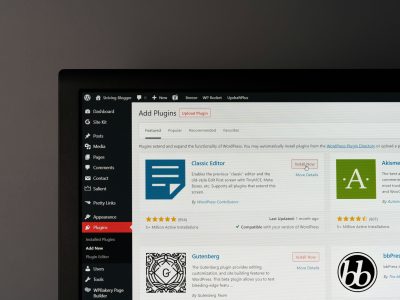
Custom WordPress development combines the flexibility of WordPress with bespoke themes and plugins to support unique business workflows and integrations. A custom WordPress site can offer modular templates, custom post types and carefully scoped plugins that balance performance, security and future growth while keeping content management familiar for marketing teams. Below are a few WordPress-specific advantages that explain why many UK SMBs choose bespoke WordPress builds for long-term control and scalability.
This approach follows wider industry trends favouring custom solutions to meet specific website requirements.
Custom website development — trends and solutions
We reviewed past development trends and designed a tailored solution that included registration and event-system integration for a client.
Key WordPress advantages for bespoke builds:
- Custom theme development removes unnecessary files and improves load times.
- Plugin integrations are scoped and coded for specific business needs to reduce conflicts.
- A familiar CMS interface makes content updates quick for non-technical staff.
Because of these strengths, custom WordPress themes often form the backbone of growth-focused website strategies, allowing teams to add booking systems, membership areas or e-commerce without rebuilding the platform.
For e-commerce needs, bespoke WooCommerce solutions deliver tailored checkout flows, integrations and inventory rules to support complex products and pricing. SO Web Designs specialises in WordPress and WooCommerce customisation for small and medium-sized businesses, providing bespoke builds, SEO optimisation and ongoing support for local UK markets. Our approach emphasises honest pricing, clear timelines and a focus on lead generation and information-hub builds that support business goals — with quick two-to-four-week turnarounds for selected projects.
| WordPress Feature | Attribute | Typical Use |
|---|---|---|
| Custom Themes | Lightweight, branded templates | Faster pages and consistent UX |
| Plugin Integration | Scoped, documented APIs | CRM, payment gateway and booking systems |
| Custom Post Types | Structured content models | Services, case studies and team profiles |
This table explains how WordPress components map to practical business requirements and integration choices when planning a bespoke build.
What advantages does WooCommerce customisation offer for e-commerce growth?
WooCommerce customisation supports flexible product types, bespoke checkout experiences and integrations with payments, shipping and fulfilment systems needed for complex commerce models. Custom product types and pricing rules let merchants run subscriptions, bundles or tiered pricing without compromising speed or clarity. Bespoke checkout flows reduce friction with combined shipping rules, dynamic discounts and single-page checkouts to improve conversion rates. Integrations with inventory and CRM systems automate order handling and customer lifecycle management, freeing teams to focus on growth and retention rather than manual reconciliation.
How do integrations with business tools enhance website functionality?
Integrations with CRMs, booking platforms, email marketing systems and analytics turn a website into an operational hub that captures leads, automates follow-ups and measures outcomes. For service businesses, embedded booking and calendar integrations reduce friction for customers and route appointments into operational systems automatically. CRM and email links enrich lead records with on-site behaviour to enable personalised nurture sequences and higher lifetime value. These workflows create closed-loop reporting that links website activity to revenue, supporting iterative optimisation and clearer investment decisions.
Why is investing in custom web design a strategic move for SEO and online visibility?
Custom web design is strategic for SEO because bespoke builds give you precise control over site architecture, metadata, schema and page speed — four critical ranking factors. Clean markup, semantic HTML, and purposeful content silos make it easier for search engines and AI systems to understand topical relationships and authority. The checklist below summarises technical priorities for bespoke sites aiming to maximise organic visibility, especially for local UK searches.
Before implementing SEO on a site, ensure the following technical checklist is covered:
- Clean codebase and minimal render-blocking resources to improve load times.
- Mobile-first responsive templates and image optimisation to meet Core Web Vitals.
- Schema markup for business, service and local pages to clarify entity relationships.
- Logical URL and content structure with dedicated service-area pages for locality.
- Controlled plugin use and versioning to reduce performance variance.
Custom development helps with these items by removing unnecessary code and applying semantic structure deliberately, benefiting both users and search algorithms. A focused technical SEO foundation sets up content and local optimisation strategies that follow.
Custom sites also let you implement local SEO signals precisely — service-area pages, local schema and targeted content that match regional search intent. For UK SMBs targeting Surrey, Hampshire, Berkshire and London, bespoke content structures aligned to service geographies generate clearer signals to search engines when paired with reviews and local profile integration.
How does custom design deliver better SEO performance than templates?
Custom design improves SEO by eliminating code bloat and optimising the critical rendering path, which speeds pages and improves perceived performance. Templates often carry extra features and scripts that dilute focus and slow pages; custom builds keep sites lean and prioritise key pages and keywords. With bespoke content architecture, you can create targeted landing pages, structured data and canonical policies that control indexing and support featured snippets. These measures typically lead to measurable gains in organic traffic and keyword visibility over time.
What local SEO benefits can UK businesses gain from bespoke websites?
Bespoke websites make it simple to build dedicated service-area pages, local schema and content written for regional search intent, strengthening local search signals. Clear content hierarchies for each location, consistent contact details in controlled templates and review display patterns help search engines associate your business with specific areas. Fast mobile experiences improve click-through rates from local results, and structured markup increases the chance of rich results like knowledge panels. Together, these elements make bespoke sites more effective at converting local searches into enquiries.
What is the custom web design process at SO Web Designs?
A clear, step-based process reduces risk and sets expectations during delivery, with milestones for discovery, design, development and post-launch support. A numbered process helps clients understand timelines and deliverables before agreeing scope or budget. The list below outlines the main phases and typical outcomes you should expect from a professional custom web design engagement.
A typical custom web design process includes:
- Initial consultation and discovery to define goals, audience and technical constraints.
- Design and prototyping with approval gates for look-and-feel and user journeys.
- Development, testing and staging to validate performance, accessibility and functionality.
- Launch and handover with measurement setup and ongoing support arrangements.
This staged approach clarifies responsibilities and deliverables for both client and agency, creating a predictable path from brief to live site.
SO Web Designs follows a client-focused process that emphasises lead generation and information-hub builds for UK SMBs, offering straightforward pricing and ongoing support after launch. We provide quick-turnaround options and local knowledge across Surrey, Hampshire, Berkshire and London to speed time-to-value without compromising quality.
What happens during the initial consultation and discovery phase?
During discovery, we define business goals, audience segments and measurable KPIs, and audit any existing site and competitors to spot gaps and opportunities. Deliverables typically include a project brief, content requirements, technical constraints and a prioritised feature list that informs scoping and cost estimates. This phase also identifies required integrations with CRMs, booking systems or e-commerce platforms to reduce rework later. A clear discovery phase ensures both parties agree on timelines, outcomes and approval steps.
How are design, development and testing managed for quality and speed?
Design, development and testing follow iterative sprints with agreed approval gates, a staging environment for client review and a QA checklist covering cross-browser compatibility, accessibility and performance. Rapid prototypes validate interaction patterns and content hierarchy before heavy development, limiting costly revisions. Performance checks and automated regression tests help the final build meet Core Web Vitals and security benchmarks, while a documented launch checklist supports a smooth handover. Post-launch support covers hosting, maintenance and iterative optimisation to keep the site healthy and ranking.
How do custom websites provide scalability, security and higher ROI?
Custom websites scale through modular architecture and documented APIs that let you add features without reengineering the core platform. This modular approach supports phased investment, so businesses can prioritise revenue-driving features first and add enhancements over time. Security improves by limiting third-party dependencies, applying server hardening and using selective plugins with timely updates. These choices reduce long-term maintenance costs and protect brand reputation, lowering the total cost of ownership and improving ROI.
To show how architecture and security choices affect commercial outcomes, consider these practical advantages:
- Modular architecture enables incremental feature rollouts and A/B testing without large refactors.
- Less reliance on off-the-shelf themes reduces exposure to common vulnerabilities.
- Instrumented analytics and conversion tracking enable data-driven optimisation for higher revenue per visitor.
These practices keep custom sites future-proof and commercially resilient as needs evolve.
In what ways are custom sites more secure and future-proof?
Custom sites are more secure because they avoid unnecessary theme features and restrict plugin use to vetted essentials, reducing the attack surface. Managed hosting and hardened server configurations strengthen security, and version control with documented deployments provides traceability for updates. Planned upgrade paths and modular code make it simpler to adopt new frameworks or add capabilities without destabilising the site. Together, these measures protect customer data, maintain uptime and provide a stable platform for long-term growth.
How does custom design lead to higher conversion rates and business growth?
Custom design lifts conversion rates by aligning UX flows, content priorities and visual cues with user intent and business goals, removing friction from the buyer journey. Faster pages and clearer calls to action reduce drop-off, while tailored landing pages target high-value keywords and visitor segments to improve conversion quality. With analytics built in, teams can run experiments, measure improvements and iterate to compound gains over time. The result is a measurable uplift in leads, transactions or bookings that justifies the initial investment in a bespoke solution.
The thoughtful application of design and conversion principles guides prospects through the funnel and increases the chance of a sale — a core aim of effective web design.
Web design for customer conversion and the sales funnel
Practical conversion techniques help move prospects through the sales funnel to become paying customers.
What do clients say about SO Web Designs’ bespoke website solutions?
Client feedback and short case summaries show how bespoke websites translate into business outcomes, highlighting increases in leads, improved usability and better search performance. Case studies typically follow a problem → bespoke solution → measurable result format to demonstrate the commercial impact of a custom build. Below are concise case highlights and common testimonial themes our clients report after launch.
Examples of outcomes clients have seen:
- Lead generation uplift: Targeted landing pages and clearer CTAs produced measurable increases in enquiries.
- Faster delivery and transparent pricing: Clients value clear costs and quicker-than-expected project timelines.
- Ongoing support: Post-launch maintenance and hosting minimised downtime and enabled continuous improvements.
These recurring themes show how bespoke UX, SEO and managed support create sustained value and confidence for SMBs.
Which case studies demonstrate measurable success from bespoke web design?
Case summaries link the initial challenge to bespoke interventions and then to quantifiable outcomes such as traffic growth, lead volume or conversion improvements. Typical entries show the client problem, the custom WordPress or WooCommerce features we implemented, and the timeframe for measurable change. Use these case formats to assess an agency’s ability to deliver similar results for your sector and scale.
How do client testimonials reflect satisfaction and ongoing support?
Testimonials highlight clear communication, reliability and value for money, and often mention ongoing maintenance and hosting as reasons for continued satisfaction. Clients also note the benefit of working with a UK-based agency that understands regional markets and practical lead-generation priorities. Consistent mentions of fast turnaround times reinforce the view of a responsive partner that combines technical skill with commercial focus and continuous support.
Conclusion
Choosing a bespoke website delivers clear benefits: a stronger brand identity, a better user experience and improved SEO performance. These tailored solutions drive higher conversion rates and provide a scalable, secure platform for future growth. By opting for custom development, businesses ensure their online presence reflects their unique goals and audience needs. Get in touch to see how our team can help you unlock your website’s full potential.